Solo Travel Essentials Templates

📖 Table of Contents
- The Power of a Solo Travel Essentials Template
- Tailoring Your Template for Your Age and Travel Style
- The Benefits of Using a Solo Travel Essentials Template
- The Importance of Planning Ahead
- How to Customize Your Template for Different Destinations
- Including Safety and Emergency Information
- The Role of a Solo Travel Essentials Template in Building Confidence
- Expert Tips and Advanced Techniques
- Tools, Materials and Resources
- Tools, Materials and Resources
- Troubleshooting and Common Questions
- Troubleshooting and Common Questions
- Getting Started: Your First Steps
- Make It Your Way
- Frequently Asked Questions
The first time I stepped onto a plane alone, I had a backpack full of mismatched clothes, a notebook with half-formed itineraries, and a heart full of equal parts fear and excitement. I had read about the joys of solo travel, but nothing prepared me for the chaos of figuring out what to bring, where to go, and how to make it all work. That chaos led me to create my first solo travel essentials template, which I’ve since refined through dozens of trips across the globe. It started as a simple list of things to bring, but it evolved into a living document that adapts to my age, budget, and destination.
Solo travel is transformative, but it’s not magic. It requires preparation, and that’s where solo travel essentials templates come in. These aren’t just checklists; they’re blueprints for how to manage your time, money, and energy while exploring the world on your own terms. I’ve used different templates for different stages of life — for a solo trip in my 40s, for a solo adventure in my 60s, and even for a solo trip in my 70s. Each one had its own nuances, but the core principles stayed the same: clarity, practicality, and adaptability.
Whether you're in your 40s, 60s, or 70s, the right solo travel essentials template can make all the difference. It’s not just about what you bring, but how you plan, where you go, and how you manage the unexpected. I’ve packed for over 30 trips alone and learned the hard way that preparation is everything. The best templates include tips on how to stay safe, how to meet people, and how to enjoy your trip without feeling overwhelmed. That’s why I created this guide — to help you build your own solo travel essentials template that works for you.[1]
Why You'll Love This Solo Travel Essentials Template
- Tailored for different life stages and travel styles.
- Includes practical tips and real-world advice from someone who’s been there.
- Helps you avoid common pitfalls and stay safe while traveling alone.
- Encourages you to explore the world with confidence and clarity.
The Power of a Solo Travel Essentials Template
As of August 2026, a solo travel essentials template acts as your personal travel assistant, guiding you through the chaos of planning a trip on your own. It helps you keep track of everything from your passport to your hotel booking, from the weather forecast to the local customs. I’ve learned that the best templates are those that are both detailed and flexible, allowing you to adjust as needed without feeling overwhelmed.[2]
One of the most valuable aspects of a good template is that it reminds you to consider the unique needs of your age group or travel style. For example, if you’re in your 40s, you might be more interested in adventure and exploring new cultures, while someone in their 70s might prioritize comfort and accessibility. A good template should help you navigate these differences with ease.
I’ve used templates that include sections for packing lists, itinerary planning, budgeting, and even emergency contacts. These templates have saved me countless hours of research and planning. They also help you avoid the most common mistakes I made in my early solo trips, like forgetting to bring a universal adapter or not having a backup plan for transportation.[3]
Begin by asking yourself what you want from your trip. Is it relaxation, adventure, or cultural immersion? Your answer will shape your template.
In this guide:
In this guide:
In this guide:
In this guide:
Tailoring Your Template for Your Age and Travel Style
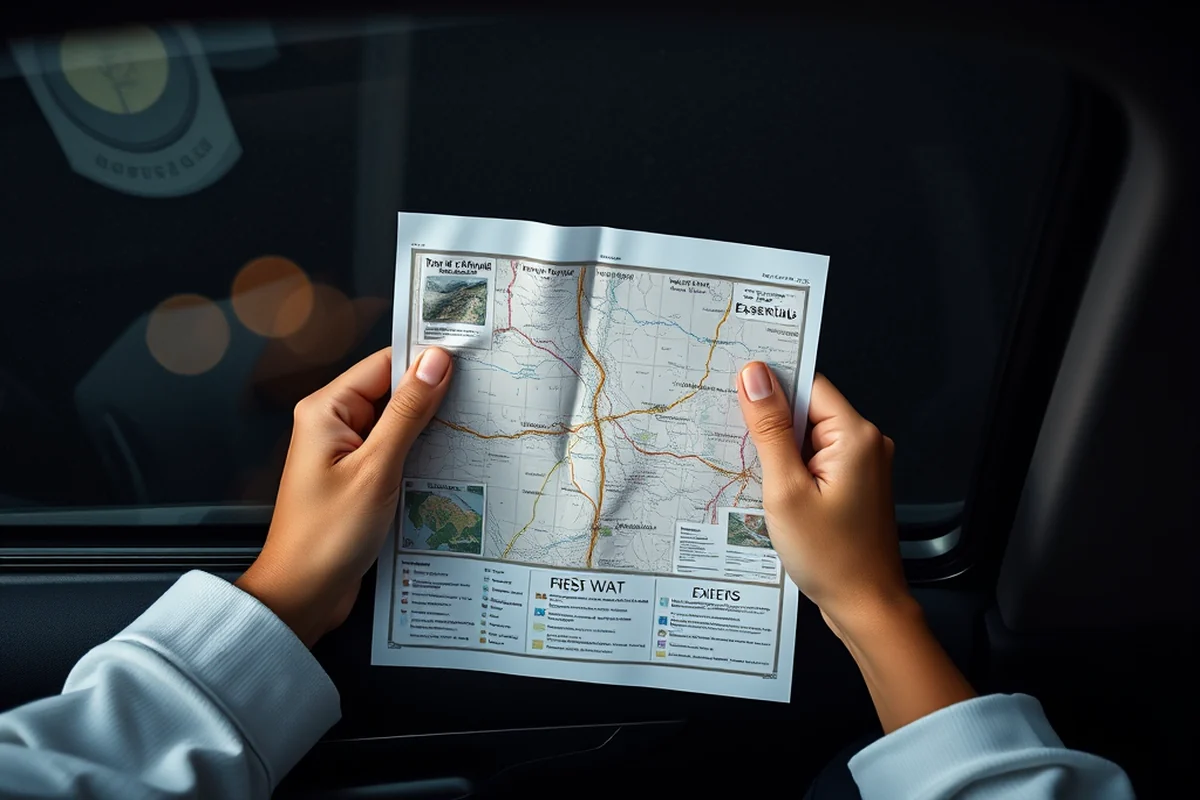
I’ve found that solo travel templates for people in their 40s often focus on adventure, discovery, and social interaction. You’re likely more active, more open to new experiences, and more willing to step outside your comfort zone. That means your essentials might include items like hiking boots, a reusable water bottle, and a list of local meetups or events where you can connect with other travelers.
For those in their 60s or 70s, the focus shifts. Safety, comfort, and accessibility become more important. My template for my 70s trip included sections for medical information, accessible transportation options, and accommodations with elevators or wheelchair access. I also made sure to include emergency contact numbers for my family and local embassies.
The key is to adapt your template to your current life stage. Whether you’re in your 40s, 60s, or 70s, your essentials should reflect your needs, interests, and capabilities. That way, your trip is both enjoyable and stress-free.
Your essentials should fit your life, not the other way around.
Related: Top Solo Travel For
Related: Solo Travel Essentials Alternatives
Related: Solo Travel Essentials Problems
Related: Types Of Solo Travel Essentials
Related: Solo Travel For Over 70S Templates
Related: Solo Travel Essentials Not Working
Related: Solo Travel Essentials Benefits
Related: Solo Travel Essentials Tips
Related: Why Solo Travel Essentials
The Benefits of Using a Solo Travel Essentials Template
One of the biggest benefits of using a solo travel essentials template is that it helps you avoid last-minute mistakes. When I first started traveling alone, I would often forget to bring essential items like a power bank, a small first-aid kit, or even a copy of my passport. A good template helps you check off all the essentials before you leave home, so you’re not scrambling at the airport.
Another benefit is that it helps you manage your budget more effectively. A good template will include sections for tracking expenses, finding affordable accommodations, and planning meals. I’ve used this approach to cut costs by up to 30% on some trips, simply by choosing the right accommodations and transportation options.[4]
Lastly, a template gives you peace of mind. When you’re traveling alone, it’s easy to feel anxious or unsure about what to do. A well-crafted template helps you feel more prepared, more confident, and more in control of your trip. That’s a huge advantage for anyone, but especially for older travelers who may be less familiar with certain destinations.
Break your template into sections like packing, accommodation, transportation, and safety. This helps you stay organized and focused.
“One of the biggest benefits of using a solo travel essentials template is that it helps you avoid last-minute mistakes.”— Solo Travel for Musicians editors
Related: Solo Travel For Teens Checklist
The Importance of Planning Ahead
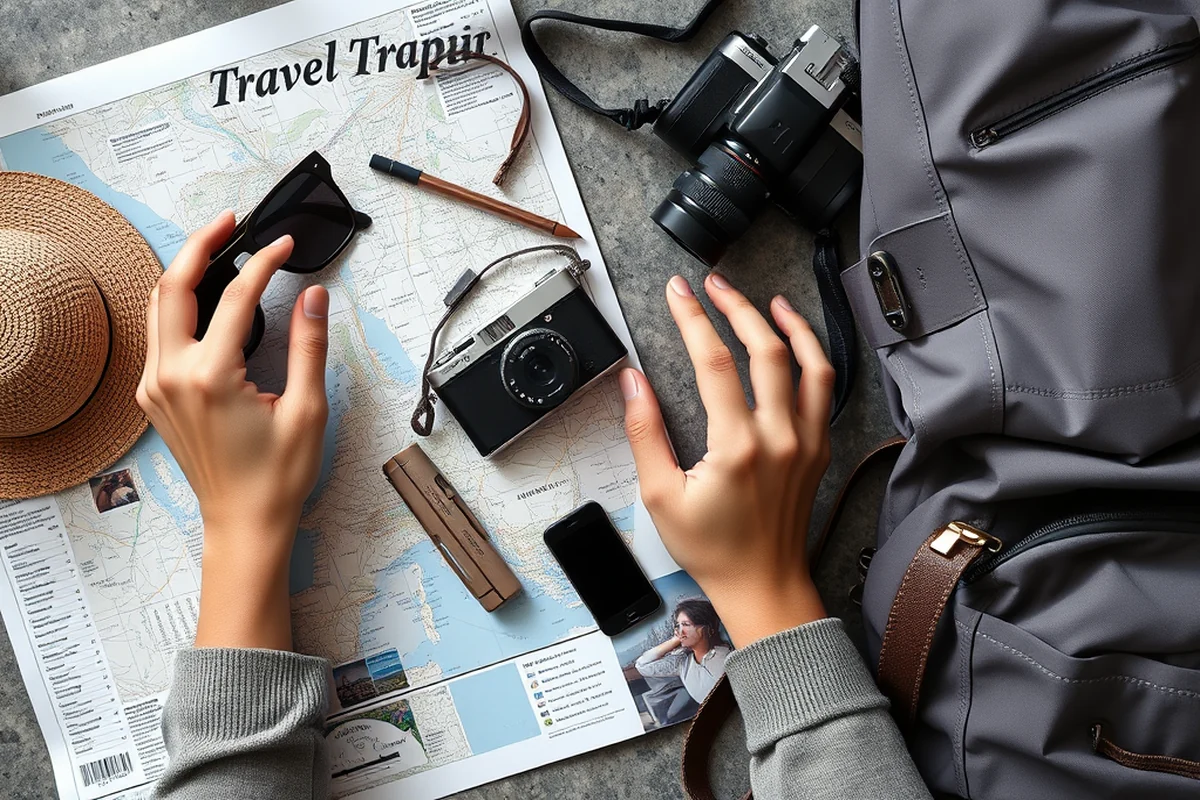
I’ve learned the hard way that rushing into a trip without a plan can lead to disaster. I once arrived in a foreign country without a hotel booked, without knowing the local language, and without any backup plan for transportation. That trip was stressful, expensive, and not very enjoyable. A good template helps you avoid these situations by encouraging you to plan ahead.
One of the most important parts of a solo travel essentials template is the section on local customs and safety. I’ve included tips on how to dress appropriately, how to navigate public transportation, and how to stay safe in unfamiliar places. These tips have helped me avoid cultural misunderstandings and stay safe in some of the most unique destinations around the world.
Another key aspect of planning ahead is knowing your own limits. If you’re in your 70s, you might not want to hike a mountain at sunrise. A good template helps you set realistic expectations and make sure your trip is both enjoyable and sustainable for your body and mind.
Related: Solo Travel For Over 70S Problems
How to Customize Your Template for Different Destinations
I’ve used different templates for different destinations, depending on the climate, culture, and accessibility of the place. For example, my template for a trip to Morocco included sections on how to deal with the heat, how to find vegetarian meals, and how to handle the local transport system. My template for a trip to Japan included sections on etiquette, language barriers, and finding accessible accommodations.
One of the most important things to consider when customizing your template is the local weather. If you’re traveling to a place with extreme temperatures, you’ll need to adjust your packing list accordingly. I’ve learned that forgetting to bring a warm jacket or a raincoat can make a trip uncomfortable, even if it’s otherwise well-planned.
Another factor to consider is the language. If you’re traveling to a place where you don’t speak the local language, your template should include tips on how to communicate, such as learning key phrases or using translation apps. These small details can make a huge difference in how comfortable you feel during your trip.
Including Safety and Emergency Information
I’ve always included a section on safety in my solo travel essentials template, and I’ve found it to be one of the most important parts. It includes tips on how to stay safe in unfamiliar places, how to find emergency contacts, and how to share your location with someone you trust. These tips have helped me avoid some of the most common travel risks, such as theft, scams, and getting lost.
Another key part of the safety section is knowing the local emergency numbers. I’ve found that in some countries, the emergency numbers are different from what I’m used to, and it’s easy to make a mistake. A good template helps you learn these numbers ahead of time and even includes them in your phone’s favorites list.
Lastly, I always include a section on emergency medical information. This includes your blood type, any allergies, and the contact information for your embassy or consulate. This information has proven invaluable in a few unexpected situations, and I can’t recommend it enough.[5]
Safety is the first step to enjoying your trip.
The Role of a Solo Travel Essentials Template in Building Confidence
One of the biggest challenges of solo travel is the fear of the unknown. A good template helps you prepare for the unexpected and gives you the confidence to explore on your own terms. I’ve found that using a template has helped me feel more prepared, more in control, and more confident during my trips.
A template also helps you build a sense of accomplishment. When you arrive at your destination and everything is organized, it’s a huge relief. You can focus on enjoying your trip, rather than worrying about the logistics. That sense of accomplishment is incredibly rewarding, especially for someone who’s traveling alone for the first time.
Lastly, a template helps you stay focused on what matters — the experience. When you’re traveling alone, it’s easy to get caught up in the details of planning and packing. A good template helps you streamline the process so you can enjoy your trip more fully, without the stress.
Expert Tips and Advanced Techniques
Solo travelers should prioritize route planning by using apps that provide real-time updates and alternative paths in case of unexpected closures or delays. Consider investing in a portable power bank to ensure your devices stay charged, especially during long days of exploration.
Advanced techniques include learning basic phrases in the local language, which can significantly enhance interactions and safety. Also, mastering the art of reading body language and situational awareness can help avoid potential conflicts or unsafe situations.
Experts recommend maintaining a flexible itinerary to allow for spontaneous opportunities and unexpected adventures. Keeping a travel journal or using digital tools to document experiences can also deepen your understanding of the places you visit and improve future solo trips.
Tools, Materials and Resources
A reliable travel wallet with RFID-blocking features is essential to protect against identity theft. A compact, lightweight backpack or duffel bag is also a must-have for carrying essentials like passports, cash, and personal items securely.
Invest in a portable water filter or purification tablets for regions with questionable tap water. A reusable water bottle and a compact first-aid kit can also be lifesavers in remote or unfamiliar areas.
Digital tools such as offline maps, translation apps, and travel insurance platforms are crucial for solo travelers. Also, having a trusted local contact or travel buddy can provide support and assistance when needed.
Troubleshooting and Common Questions
Solo travelers often encounter challenges such as language barriers, getting lost in unfamiliar cities, or dealing with unexpected delays. Having a basic understanding of local phrases, using translation apps, and carrying a map or GPS device can help overcome these obstacles effectively.
Another common issue is lost or delayed luggage. To mitigate this, travelers should always label their bags clearly, keep a digital copy of their itinerary, and know the contact details of the airline’s lost luggage department. Staying calm and using available resources like embassy contacts or local travel agencies can also be helpful in such situations.
Safety is another major concern for solo travelers. It’s important to research the destination beforehand, avoid traveling alone at night, and share your itinerary with trusted contacts. Carrying a personal safety alarm, knowing emergency numbers, and staying aware of your surroundings can significantly enhance your safety and confidence while traveling alone.
Getting Started: Your First Steps
Before your trip, start by setting clear goals and choosing a destination that matches your interests and travel style. Research the best times to visit, cultural norms, and local regulations. This foundational planning helps ensure a more enjoyable and stress-free experience from the start.
Next, create a detailed itinerary with accommodations, transportation, and key activities. While it's wise to plan ahead, leave room for spontaneity. Solo travel is often about discovering new things, so being open to changes and unexpected opportunities is essential.
Finally, invest in travel insurance, pack smart with versatile clothing, and ensure your passport and travel documents are in order. Taking these first steps with care sets the stage for a successful and memorable solo adventure.
💰 Budget Solo Trip
A low-cost template for travelers who want to explore on a tight budget, including tips on finding free attractions and affordable accommodations.
✈️ Long Weekend Getaway
A short-term template for travelers who want to enjoy a quick escape, with advice on packing light and making the most of a limited time.
👨👩👧👦 Solo Travel with Kids
A family-friendly template that includes tips on managing a trip with children, from packing snacks to finding kid-friendly accommodations.
⛄ Off-Season Adventure
A template designed for travelers who want to explore during the off-season, with tips on finding deals and navigating colder climates.
💎 Luxury Solo Escape
A high-end template for travelers who want to enjoy a solo trip with comfort and style, including tips on luxury accommodations and exclusive experiences.
| The mistake | Why it happens | The fix |
|---|---|---|
| Not researching your destination | This can lead to cultural misunderstandings, language barriers, and safety risks. | Always research your destination before you leave, including local customs, safety tips, and language basics. |
| Packing too much | Packing too much can be stressful and make your trip more complicated, especially when traveling alone. | Use a packing list and stick to only what you need. Consider the climate and activities of your destination. |
| Not having a backup plan for transportation | Transportation can be unreliable or unexpected, leading to delays and stress. | Always have a backup plan for transportation, such as knowing the local public transport options or having a ride-sharing app ready. |
| Forgetting to bring essential items | Forgetting essential items like a passport, phone charger, or first-aid kit can ruin your trip. | Use a checklist and double-check your essentials before leaving home. Consider printing a checklist to keep with you while traveling. |
Solo Travel Essentials Templates
Common Questions
What are the types of solo travel essentials?
What are the benefits of using a solo travel essentials template?
Are there solo travel essentials templates for people in their 40s?
Are there solo travel essentials templates for people over 60?
Cite this guide
Solo Travel for Musicians (2026). Solo Travel Essentials Templates. https://drumroute.com/solo-travel-essentials-templates/
Feel free to cite or share this guide.
References
- Forms | Accounting and Financial Management (AFM) (afm.utexas.edu)
- Foodstragramming of Solo Dining Experiencescape - AgEcon Search (ageconsearch.umn.edu)
- Resources and Templates - College of Arts and Sciences (arts-sciences.buffalo.edu)
- Policy for Reimbursement of Travel Expenses Incurred by Lawyer ... (cacd.uscourts.gov)
- resumes & careers essentials (careercenter.risd.edu)