
Solo Travel For Teens Mistakes
📖 Table of Contents
The first time I let my 15-year-old daughter go on a solo trip, I felt like I was watching a seed sprout into something wild and beautiful. I had packed her a guidebook, a first-aid kit, and a hand-written list of dos and don'ts — the kind of list that's both a roadmap and a safety net. But as she stepped onto the train bound for the French Riviera, I realized she was already learning the hard way. Solo travel for teens is a double-edged sword: it's a rite of passage that builds confidence and independence. It also comes with its own set of mistakes that can make the journey harder than it needs to be.[1]
One of the most common mistakes I saw during my daughter’s trip was poor budgeting. She had assumed that staying in hostels would be the cheapest option, but what she didn’t realize was that some hostels charge extra for breakfast or even for using the kitchen. I learned this the hard way when I had to send her an extra $50 via Venmo to cover an unexpected fee. It’s a small price to pay for the lessons she’s learning, but it's one that many other parents and teens might avoid with a little more planning.[2]
Another mistake I witnessed was a lack of cultural awareness. My daughter, like many teens, assumed that everyone spoke English fluently. When she went to a local market in Nice, she was confused when the vendor spoke only French and gestured wildly, making it difficult for her to understand the prices. It was a humbling moment for her. It also became a turning point — she realized that learning a few key phrases in the local language was essential, and it made her feel more connected to the community.[5]
Why You'll Love This Guide to Solo Travel for Teens Mistakes
- Avoid costly surprises with clear financial planning
- Enhance safety and independence with thoughtful preparation
- Boost cultural confidence through language and research
- Create lasting memories through real-world learning
Underestimating the Power of a Budget Plan
As of September 2026, I watched my daughter’s trip unfold with a mix of pride and anxiety, especially when it came to her spending. She had set a daily budget of $50, but within three days, she had already blown through $120 due to a few spontaneous purchases. It was a wake-up call — and a lesson in the importance of tracking expenses. Setting limits on how much can be spent on food, accommodations, and activities helps teens avoid financial stress and ensures they’re not caught off guard by unexpected costs.[3]
One of the best tools we used was a simple spreadsheet that tracked every dollar she spent, including things like train tickets and meals at local cafes. It gave her a clear picture of where her money was going. After a few days, she realized she needed to cut back on eating out and instead use the money saved to take a day trip to a nearby village. It was a small but meaningful change that helped her stay on track.
Another thing we emphasized was the importance of having a backup plan. We set aside 10% of the total trip cost in a separate account for emergencies. This helped her feel more secure and less prone to panic when unexpected expenses came up. It’s a small percentage, but it can make a big difference in keeping the trip on budget and stress-free.[4]
Create a simple spreadsheet that tracks all expenses. Use it as a tool to stay within your limits and avoid overspending.
Part of our How to solo travel for young adults guide.
Not Researching the Local Area
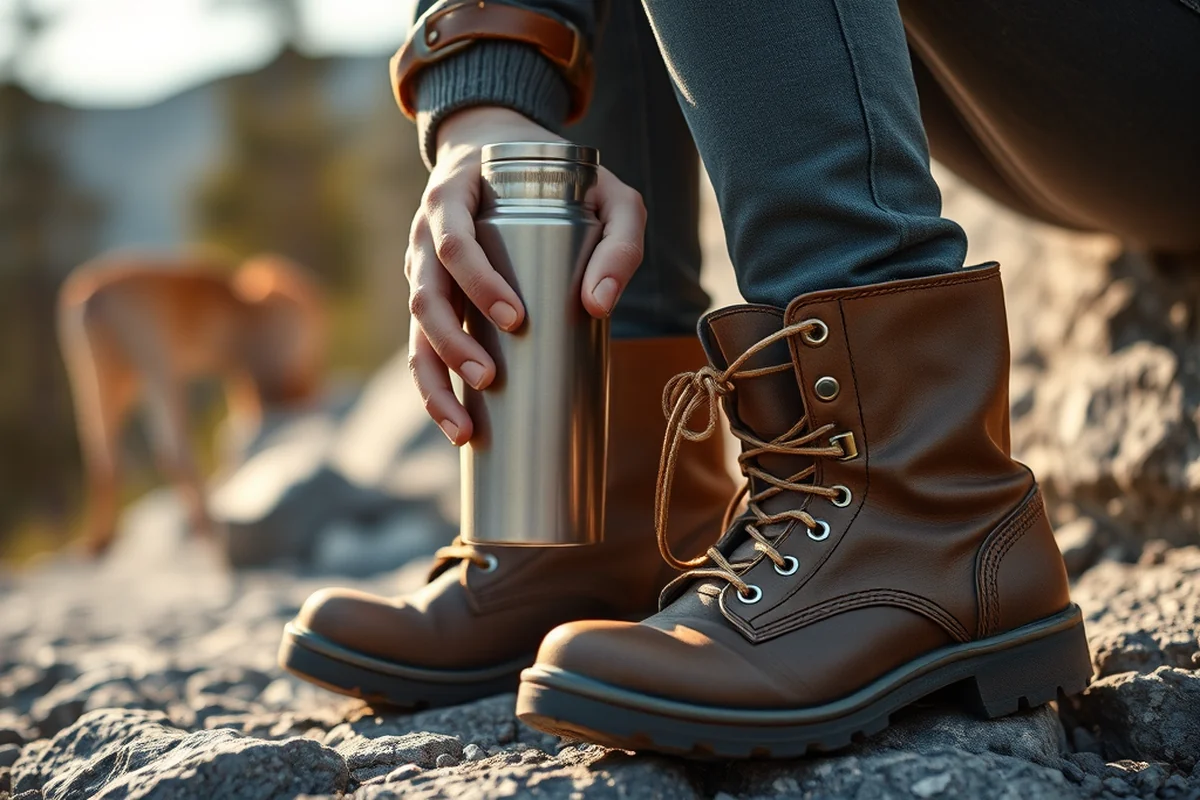
My daughter’s first night in Nice was a lesson in the importance of knowing your surroundings. She had a map, but it was outdated and didn’t show the best routes to the hostel. As a result, she ended up in a part of the city that wasn’t very safe for solo travelers. It was a stressful experience, but it taught her the value of researching the area before arrival.
We had warned her about researching the neighborhood, but she hadn’t taken it seriously. After that night, she started looking up local guides, safety tips, and even reached out to a hostel employee for recommendations. She learned that certain areas of the city were better for solo travelers, and she made a point to stay in those neighborhoods for the rest of her trip.
Researching the local area also helped her avoid scams. She had read online about people offering fake tours or overcharging for transportation. With that knowledge, she was more cautious when interacting with strangers and made sure she was always aware of her surroundings.
Research is your best friend when you're traveling alone.
Related: Travel with teens
Related: Is travel for teens
Related: How to solo travel for people in their 40s
Related: How to solo travel for over 70s
Related: Solo Travel For Teens At Home
Assuming Everyone Speaks English
One of the biggest mistakes my daughter made was assuming that everyone in Nice spoke English fluently. She found herself in a local market, trying to haggle over the price of a small souvenir, but the vendor only spoke French and used gestures to communicate. It was confusing and frustrating, but it also taught her the importance of learning a few key phrases in the local language.
After that experience, she started learning basic French phrases, like 'Bonjour' and 'Combien?' (How much?). It made a huge difference in her ability to handle the city and interact with locals. She even got invited to a small family gathering because of her effort to speak the language, which was an unexpected but rewarding experience.
Learning even a few phrases can go a long way in making a solo trip more enjoyable and safe. It shows respect for the local culture and can open doors to experiences that wouldn’t be possible otherwise.
Even a few basic phrases in the local language can help you navigate, avoid misunderstandings, and connect with locals.
“The first time I let my 15-year-old daughter go on a solo trip, I felt like I was watching a seed sprout into something wild…”— Solo Travel for Musicians editors
Related: How to solo travel essentials
Ignoring the Importance of Safety
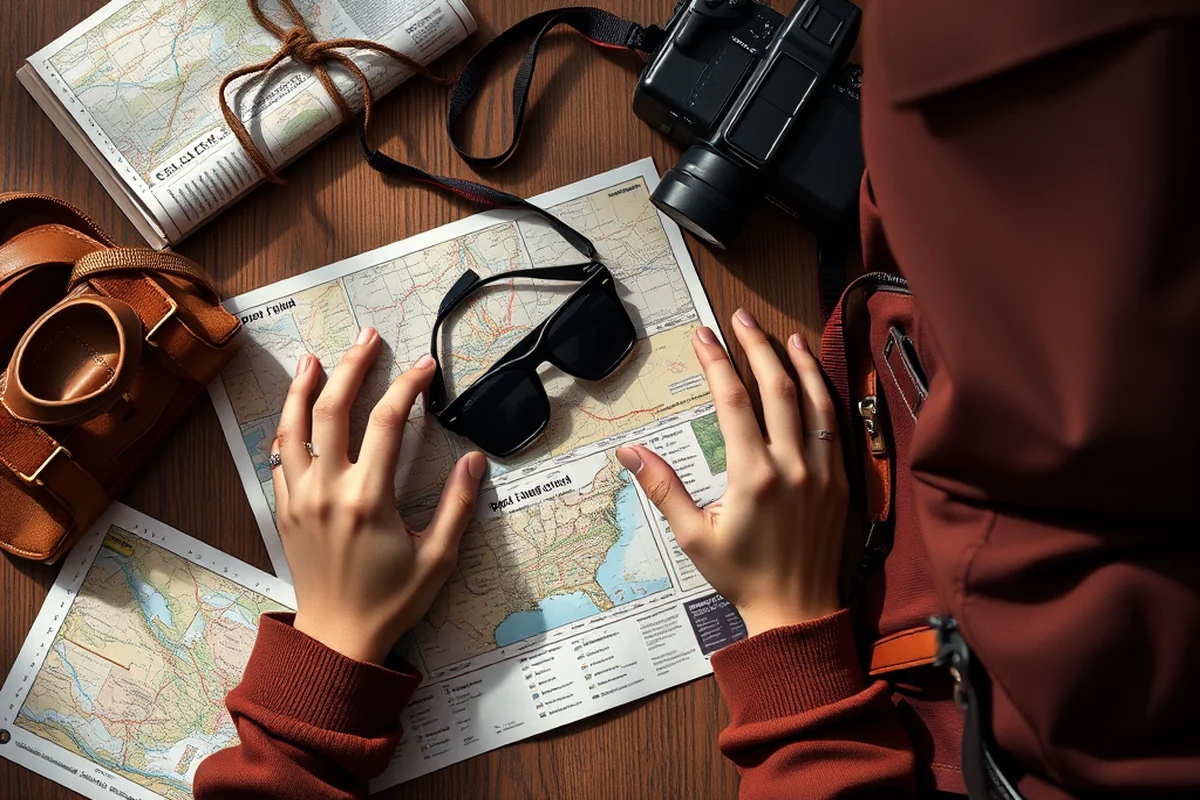
My daughter’s trip was largely safe, but there were moments when she felt vulnerable. One night, while walking back from a local festival, she realized she had taken a wrong turn and was in a part of the city she hadn’t researched. She had her phone with her, but she didn’t have a local emergency number saved.
That night, she found a nearby police station and called for help. It was a small but important lesson — she realized that she needed to have a list of emergency numbers saved on her phone. She also started carrying a small pouch with her passport, credit cards, and a local SIM card in case of an emergency.
Taking safety precautions doesn’t mean you have to be paranoid — it just means being prepared. Whether it’s knowing where the nearest embassy is or having a trusted contact in the city, these steps can make a big difference in keeping a solo trip safe and stress-free.
Not Being Open to New Experiences
At first, my daughter was hesitant to try new things. She stuck to her usual routines, like eating at the same café every day and avoiding anything that looked unfamiliar. But after a few days, she realized she wasn’t seeing the city the way it was meant to be seen.
One day, she asked a local for recommendations and was surprised to find a hidden gem — a small, family-run restaurant that served the best seafood she had ever tasted. That night, she realized that being open to new experiences was one of the best parts of solo travel.
Trying new things, whether it's visiting a local market or taking a cooking class, can be some of the most rewarding parts of a solo trip. It’s a chance to learn, grow, and create memories that will last a lifetime.
Overlooking the Value of a Local Guide
One of the most useful things my daughter did was hire a local guide for a day trip to the nearby village of Saint-Raphaël. The guide not only showed her the best sights, but also shared stories about the history of the area and gave her tips on how to handle the city safely.
She learned about local customs, which helped her avoid any cultural missteps. She also got recommendations on the best places to eat, shop, and explore, which made her trip more enjoyable and efficient.
Hiring a local guide isn’t always necessary, but it can be a great investment. It’s a chance to gain deeper insights into the culture and learn things you wouldn’t discover on your own.
A local guide can turn a good trip into an unforgettable one.
Failing to Prepare for Emergencies
During my daughter’s trip, she had a small accident that required medical attention. She had brought her own first-aid kit, but she wasn’t sure how to use it. It was a minor issue, but it taught her the importance of being prepared for emergencies.
We had given her a list of emergency numbers, including the local hospital, police, and embassy. She used the embassy number to find the nearest clinic, and the staff there were able to help her with a minor injury. It was a small inconvenience, but it could have been much worse if she hadn’t been prepared.
Preparation is key when traveling alone. Having a first-aid kit, knowing emergency numbers, and having a trusted contact in the city can make all the difference in a crisis.
💰 Budget Solo Trip
A low-cost, high-value solo travel experience with hostels, local eats, and free attractions.
✈️ Long Weekend Escape
A quick but memorable solo trip that fits into a busy schedule with easy access to major cities.
👨👩👧👦 Solo Travel with Kids
A family-friendly solo travel experience with kid-safe accommodations, easy transportation, and kid-approved activities.
🍂 Off-Season Adventure
A solo trip during the off-season with fewer crowds, lower prices, and a more authentic experience.
💎 Luxury Solo Getaway
A high-end solo travel experience with top-tier accommodations, private tours, and exclusive access to attractions.
| The mistake | Why it happens | The fix |
|---|---|---|
| Underestimating the cost of the trip | Many teens assume that a solo trip is cheaper than it actually is, leading to financial stress and unexpected expenses. | Create a detailed budget that includes all possible expenses, such as food, transportation, and accommodations. Set aside a percentage for unexpected costs and use a budgeting tool to track spending. |
| Not researching the local area | Failing to research the local area can lead to confusion, frustration, and even danger for solo travelers. | Research the destination in advance, including the best areas to stay, local customs, and safety tips. Use travel guides and online resources to prepare for the trip. |
| Assuming everyone speaks English | Language barriers can be a major obstacle for solo travelers, especially when they assume that English is widely spoken. | Learn a few key phrases in the local language and use a translation app if needed. It’s also a good idea to carry a small phrasebook or have access to a local guide for help with communication. |
| Ignoring the importance of safety | Solo travelers, especially teens, often underestimate the importance of taking safety precautions. | Take safety precautions such as knowing emergency numbers, having a first-aid kit, and staying aware of your surroundings. Avoid walking alone at night and keep your belongings secure. |
Solo Travel For Teens Mistakes
Common Questions
How can I help my teen prepare for a solo trip?
What should my teen pack for a solo trip?
How can my teen stay safe while traveling alone?
What should my teen do if they get lost?
References
- 9-11 and Terrorist Travel (9-11commission.gov)
- Heard on the Street | Bates Magazine (bates.edu)
- Sungkyunkwan University (SKKU) / Abroad View - SJSU Blogs (blogs.sjsu.edu)
- The Terrible Teens - MGH Center for Law, Brain, and Behavior (clbb.mgh.harvard.edu)
- A Gen Z Travelogue - Confluence (confluence.gallatin.nyu.edu)
Cite this guide
Solo Travel for Musicians (2026). Solo Travel For Teens Mistakes. https://drumroute.com/solo-travel-for-teens-mistakes/
Feel free to cite or share this guide.