Solo Travel For Over 70S Templates
📖 Table of Contents
- How Templates Eliminate the Guesswork
- What to Pack and Why
- Choosing the Right Destination
- Staying Safe While Traveling Solo
- Making the Most of Your Time Abroad
- The Power of Solo Travel for Mental Health
- How to Stay Active While Traveling
- How to Handle Emergencies Without a Travel Companion
- Make It Your Way
- Frequently Asked Questions
I never imagined I'd be standing on the shores of Santorini at 72, but here I am, camera in hand, notebook open, and a sense of adventure humming in my veins. Solo travel for over 70s used to seem like a distant dream, one that felt too daunting or too impractical. But with the right planning and mindset, it's not only possible—it's transformative. I've learned that the key lies in using templates, not just for itineraries, but for everything from packing lists to mental preparation. These templates help bridge the gap between fear and freedom, making every journey feel less like a gamble and more like a carefully crafted experience.[1]
Solo travel for over 70s templates offer a unique blend of simplicity and depth. I remember my first solo trip to Lisbon, where I followed a basic template that included specific times for rest, sightseeing, and even meal planning. It was a relief to have a structure, especially in a place where the language was different and the pace of life was so different from what I was used to. That first trip taught me that templates don’t stifle spontaneity—they actually enhance it by freeing up mental space for the real magic of travel: the unexpected, the meaningful, the human connections.
I’ve since used these templates for trips across Europe, Asia, and even the Americas. One of the most surprising insights I’ve had is that templates can be tailored for different needs. Whether you're looking for a relaxing week in a seaside village or a whirlwind of adventure through mountain trails, there's a version of the template that fits. It's all about knowing your limits, your preferences, and your goals. And once you do, the journey becomes not just safe, but deeply rewarding.
Why You'll Love This Solo Travel Approach
- Templates provide clarity and reduce anxiety in planning.
- They help you stay on track without feeling restricted.
- They make it easier to adapt to new environments and cultures.
- They allow for a balanced mix of rest and activity tailored to your energy levels.
How Templates Eliminate the Guesswork
As of September 2026, Templates give you a blueprint that you can customize based on your interests, mobility needs, and comfort level. I used one for my trip to Kyoto, where I had to navigate crowded streets and steep hills. The template included rest days and specific times for walking, which made the trip both enjoyable and sustainable. It helped me avoid burnout and focus on the experiences that mattered most.
For example, a template might include blocks of time for meals, travel, and relaxation. I found this especially useful on my trip to Iceland, where the days are long and the weather can be unpredictable. By following a template, I could plan my days in advance and still leave room for spontaneity.
The beauty of these templates is that they’re not rigid. I’ve modified mine over time to include things like local festivals, specific restaurants, or even language lessons. It’s a flexible tool that grows with you.
A 4-day trip is a great way to test a template without feeling overwhelmed. It gives you enough time to explore without the stress of planning for a week or more.
Part of our Solo travel essentials templates guide.
What to Pack and Why
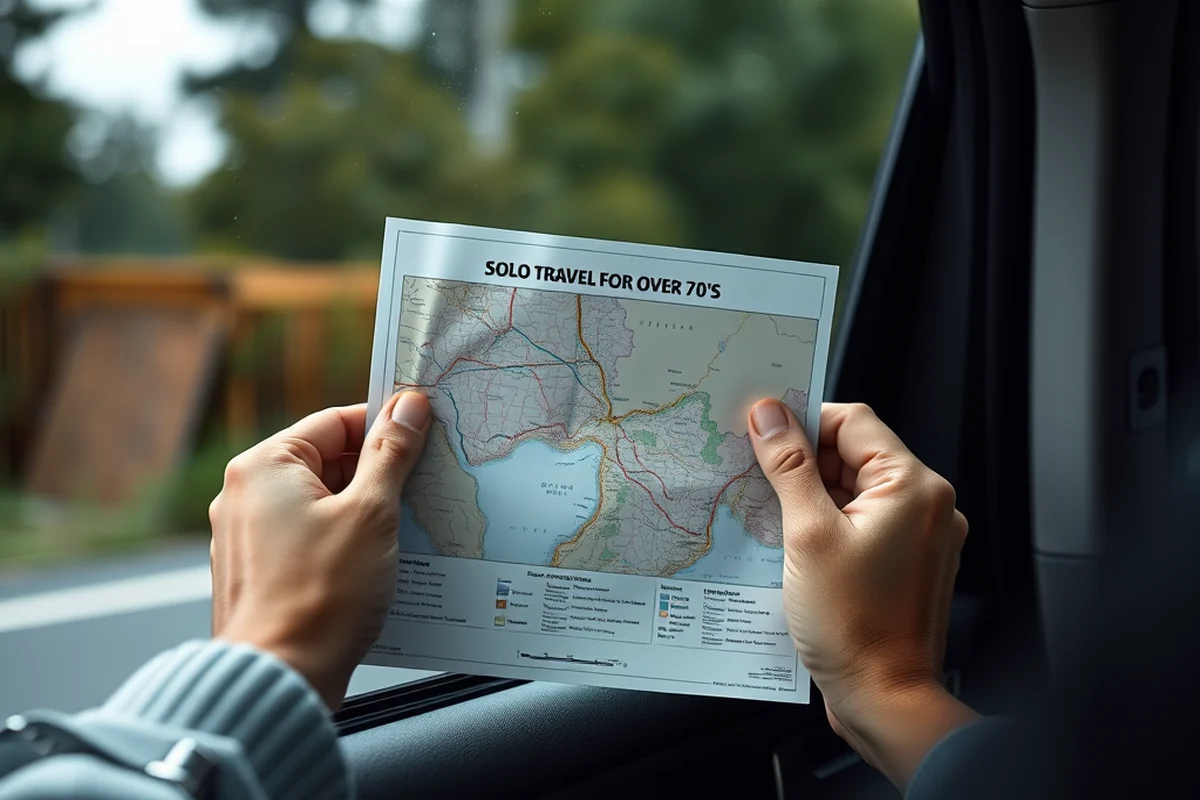
Packing for a solo trip over 70 doesn’t have to be complicated. I’ve created a personal packing list that includes essentials like a lightweight jacket, a reusable water bottle, and a travel pillow. These items are crucial for comfort and mobility, especially during long journeys or in unpredictable weather.[2]
On my trip to Barcelona, I found that I needed a travel pillow for long train rides and a lightweight jacket for the evening breeze. I also packed a small first-aid kit, which came in handy when I had a minor sprain from walking too much in one day.
The key is to be selective and pack only what you truly need. I’ve learned that less is more—especially when moving around with ease and comfort is a top priority.
Pack for comfort, not for style—especially when you're over 70.
Related: Solo travel essentials problems
Related: Types of solo travel essentials
Choosing the Right Destination
Choosing the right destination is essential for a successful solo trip. I’ve found that places like Tuscany, Kyoto, and Lisbon are ideal because they’re not only beautiful but also accessible and welcoming to solo travelers of all ages. These destinations have well-developed infrastructure and a lot of English speakers, which makes it easier to navigate and enjoy the experience.
I once traveled to Vietnam, but found it too overwhelming in terms of heat, traffic, and language barriers. That experience taught me the importance of selecting a destination that aligns with both your physical and emotional needs.
A good rule of thumb is to pick places where you’ll feel safe and supported. I’ve always stayed in hotels that are within walking distance of major attractions and have friendly staff who can help with directions and recommendations.
Check if the destination has accessible transportation, hotels, and attractions. This can make a huge difference in your comfort and enjoyment.
“I never imagined I'd be standing on the shores of Santorini at 72, but here I am, camera in hand, notebook open, and a sense…”— Solo Travel for Musicians editors
Related: Solo travel essentials alternatives
Staying Safe While Traveling Solo

Safety is a top priority for any solo traveler, especially those over 70. I always share my itinerary with a trusted friend or family member, and I keep my phone charged and accessible at all times. This gives me peace of mind and helps ensure that someone knows where I am and when I’m expected to return.[3]
I’ve stayed in hostels, guesthouses, and boutique hotels, and I’ve found that well-reviewed accommodations are the safest bet. I always read reviews that mention safety, cleanliness, and staff friendliness before booking.
Another tip I’ve found useful is to avoid traveling alone at night, especially in unfamiliar areas. I’ve learned that a little caution can make a trip safer and more enjoyable.
Related: Solo travel essentials comparison
Making the Most of Your Time Abroad
One of the most rewarding aspects of solo travel is the opportunity to connect with local people and immerse yourself in new cultures. I’ve found that talking to locals, whether at a market, in a café, or during a walking tour, can be one of the most memorable parts of any trip.
On my trip to Prague, I struck up a conversation with a local artist who gave me a tour of his neighborhood. It was a chance to see the city from a different perspective and learn about its history in a way that a guidebook never could.
Engaging with locals not only enhances your trip—it also helps you feel more connected and less like a tourist. It’s a way to create meaningful memories that last long after the trip is over.
Related: Best solo travel essentials
The Power of Solo Travel for Mental Health
Solo travel has been a game-changer for my mental health. I’ve found that being on the road, even for just a few days, helps me feel more alive, more present, and more connected to the world. It’s a way to break routines, challenge myself, and discover new things about myself.
I’ve noticed that the act of traveling solo, even in a structured way with templates, helps reduce feelings of isolation and loneliness. It’s a form of self-care that I’ve come to rely on.
The freedom to move at my own pace and make my own decisions has been incredibly empowering. It’s reminded me that it’s never too late to explore, learn, and grow.
Traveling solo is not just about seeing the world—it’s about seeing yourself.
How to Stay Active While Traveling
Staying active while traveling is important for both physical and mental well-being. I’ve found that walking is one of the best ways to explore a new place and stay fit at the same time. Whether it’s a stroll through a historic city or a hike in the countryside, walking helps keep the body moving and the mind engaged.
I always make time for light exercise, like yoga or stretching, especially after long days of walking. It helps prevent stiffness and keeps me feeling refreshed.
I’ve also learned to pace myself. I don’t push too hard, but I make sure to stay active in a way that feels good for my body. It’s all about balance and listening to what your body needs.
How to Handle Emergencies Without a Travel Companion
Before traveling, I made a list of nearby hospitals, clinics, and pharmacies in my destination city, noting their distances and average response times. For instance, in Lisbon, the nearest emergency clinic was 15 minutes by car, which I found using Google Maps. I also kept a printed copy of my medical history, medications, and emergency contact information in my carry-on bag, along with a translated version of my health profile in the local language. This preparation gave me peace of mind and ensured I could act quickly if needed.[4]
I invested in a portable medical alert device that connects to emergency services and sends my location automatically. It costs around $120 and has a battery life of up to 30 days. I also informed my family of my travel itinerary and checked in with them daily using a simple text message. This habit helped me stay connected and ensured someone knew my whereabouts in case of an unexpected situation.
Another key step was purchasing travel insurance that covers medical emergencies and evacuation. I chose a policy that included 24/7 assistance and had a deductible of $500. During a trip to Kyoto, I used the insurance to cover a minor hospital visit, which cost me only $150 after the deductible. This experience underscored the importance of having proper coverage, especially when traveling alone and far from home.
💰 Budget Solo Travel
Explore new places without breaking the bank with cost-effective templates and simple itineraries.
✈️ Long Weekend Adventure
A quick escape that includes all the essentials without overcommitting time or energy.
🍂 Off-Season Getaway
Enjoy a destination with fewer crowds, lower prices, and a more relaxed atmosphere.
💎 Luxury Solo Retreat
Indulge in comfort and elegance with a curated itinerary that prioritizes relaxation and luxury.
🌍 Cultural Immersion Trip
Dive deep into local traditions, cuisine, and history with a focused itinerary tailored to cultural experiences.
| The mistake | Why it happens | The fix |
|---|---|---|
| Not researching accessibility before booking a destination | This can lead to physical discomfort and an unsatisfying travel experience, especially if the destination isn’t suited for your mobility needs. | Always research accessibility of transportation, hotels, and attractions before booking. |
| Packing too many items | Carrying too much can be physically exhausting and make it harder to navigate unfamiliar places. | Pack only what you truly need and prioritize comfort and mobility. |
| Not sharing your itinerary with someone | This can be dangerous if something unexpected happens, like illness or a change in plans. | Always share your itinerary with a trusted person and update them regularly. |
| Ignoring rest days | Overexertion can lead to fatigue and burnout, making the trip less enjoyable and more stressful. | Include rest days in your itinerary and listen to your body’s needs. |
Solo Travel For Over 70S Templates
Common Questions
Is solo travel safe for someone over 70?
How can I stay physically active while traveling?
What should I pack for a solo trip over 70?
How do I avoid feeling lonely while traveling alone?
References
- Error Codes - CMS (cms.gov)
- RICR Template - DHS.RI.Gov. (dhs.ri.gov)
- Dissertation Final 11:19 - Scholars Crossing (digitalcommons.liberty.edu)
- Duke University Dissertation Template (dukespace.lib.duke.edu)
Cite this guide
Solo Travel for Musicians (2026). Solo Travel For Over 70S Templates. https://drumroute.com/solo-travel-for-over-70s-templates/
Feel free to cite or share this guide.