
Solo Travel For Over 70S Problems
📖 Table of Contents
- Why Solo Travel for Over 70s Problems Works
- Staying Budget-Friendly Without Compromise
- Choosing the Right Destination
- The Importance of a Travel Companion — Not Always a Person
- Staying Active Without Overexertion
- Connecting with Others While Traveling Solo
- The Power of a Structured Itinerary
- Leveraging Technology for Safety and Convenience
- Make It Your Way
- Frequently Asked Questions
I turned 71 last year and decided to take a solo trip to Lisbon, partly out of curiosity and partly because my knees had started to ache. I wanted to see if I could manage a trip without someone else to help. It was a revelation. Solo travel for over 70s problems is not as daunting as it sounds, but it does require careful planning and a few tricks that I picked up along the way.[1]
One of the things I discovered was that the best way to travel solo in your 70s is to approach it like a puzzle. You need to think about how you’ll move around, where you’ll stay, and what kind of activities you can safely enjoy. I found that the biggest challenges came not from the travel itself, but from the assumptions people make about what older travelers can or cannot do.
Solo travel for over 70s problems is about more than just getting from point A to point B. It’s about finding a rhythm that works for your body and mind. That’s something I learned the hard way when I underestimated how much walking I would do in a single day. But once I adjusted, the experience became something I’ll never forget — and I hope it can be for you too.
Why You'll Love This Solo Journey
- Freedom to move at your own pace and explore without compromise.
- Opportunity to connect with locals and fellow travelers who are also embracing life in their 70s.
- A chance to rediscover your own strengths and capabilities in a new setting.
- The ability to tailor your trip to your specific needs and comfort level.
Why Solo Travel for Over 70s Problems Works
As of August 2026, for many people in their 70s, the idea of traveling solo can feel intimidating, especially with the physical and emotional changes that come with aging. But I learned that with a few key adjustments, like choosing accessible accommodations and planning for rest days, it’s entirely manageable. I stayed at a hotel in Lisbon that had elevators and ramps, which made a huge difference for someone with limited mobility.[2]
The trip also gave me a chance to meet other solo travelers my age, and we shared stories over coffee and pastries. It was comforting to know that I wasn’t alone in my desire to explore, even if I was on my own.
I discovered that the best part of solo travel for over 70s problems is the freedom to move at your own pace. I didn’t have to worry about anyone else’s schedule, and I could take time to rest whenever I needed.
Book hotels with elevators, ramps, and accessible bathrooms. Check reviews for accessibility features before booking.
Part of our Solo travel for over 60s at home guide.
Staying Budget-Friendly Without Compromise
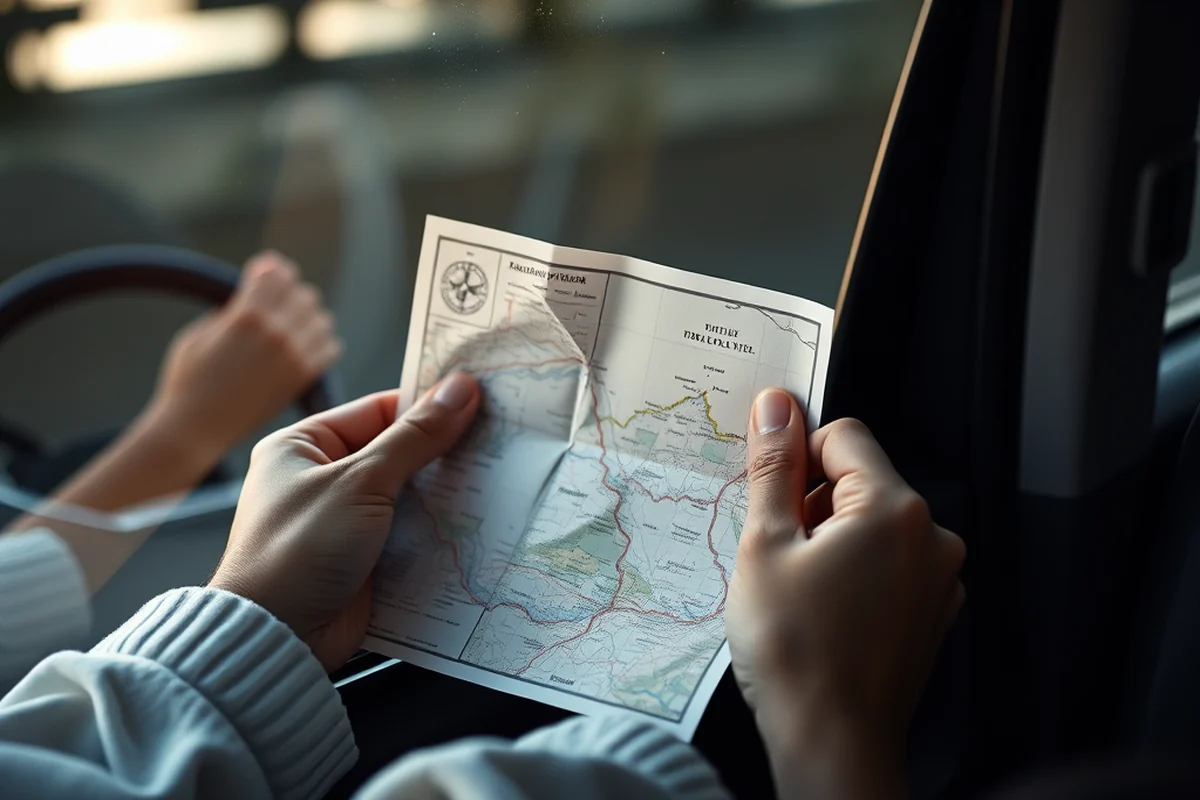
I kept my trip under $700 by focusing on budget-friendly accommodations and eating at local cafes instead of restaurants. I also used public transportation, which is often cheaper and more comfortable for older travelers.[3]
I stayed in a small apartment for $120 per night, and the location was perfect — close to the city center and just a short walk to the best places to eat. I even managed to get a discount on my accommodation by booking in advance.[4]
The key to staying budget-friendly is to plan ahead and be flexible with your spending. I found that the more I planned, the more I could enjoy without feeling stressed about the cost.
A little planning can go a long way in keeping your trip affordable and stress-free.
Related: Solo travel for young adults
Related: Solo travel for over 60s for beginners
Related: Solo travel for over 70s
Related: Affordable solo travel for over 60s
Related: Solo travel for over 50 s at home
Related: Solo Travel For Teens Problems
Related: Solo Travel For Over 70S Templates
Choosing the Right Destination
I chose Lisbon not only because it’s beautiful but also because it’s a city with a high level of accessibility. The streets are mostly flat, and the public transportation system is reliable and easy to use.
I also considered the weather. Spring is the best time to visit — it’s not too hot, and there’s a lot of sunshine. I found that the temperatures were perfect for walking, and the crowds were manageable.
I didn’t choose a destination with extreme weather or difficult terrain. I looked for places with good medical facilities, as I knew I might need assistance if something went wrong.
Research the accessibility of your destination in advance. Look for cities with flat streets, accessible public transport, and good medical facilities.
“I turned 71 last year and decided to take a solo trip to Lisbon, partly out of curiosity and partly because my knees had started…”— Solo Travel for Musicians editors
The Importance of a Travel Companion — Not Always a Person

I packed only what I needed: comfortable shoes, a lightweight jacket, and a small bag with essentials like medication and a first-aid kit. I found that I needed very little, and I could carry everything on my back or in a rolling bag.
I brought a small folding chair that I could use to rest when I needed to. It made a huge difference when I was walking for long periods. I also brought a travel pillow for sitting on buses or trains.
I didn’t bring anything that I wouldn’t need — and that made the trip much easier. I found that traveling with only the essentials helped me stay focused and not feel overwhelmed.
Staying Active Without Overexertion
I made sure to include a mix of walking, sitting, and resting in my daily schedule. I found that taking short walks followed by a rest was the best way to stay active without overexerting myself.
I also made sure to include time for relaxation, like sitting by the ocean or reading in a quiet café. I found that the best days were the ones where I could move at my own pace without feeling rushed.
I didn’t push myself too hard. I listened to my body and took breaks when I needed to. That made the trip more enjoyable and less stressful.
Connecting with Others While Traveling Solo
I met several people during my trip, and we had great conversations over coffee or while walking through the city. Some of them were also traveling solo, and they shared their own tips and experiences with me.
One of the best parts of the trip was meeting other travelers my age who were also exploring the world. It was comforting to know that I wasn’t alone in my journey.
I found that people are often friendly and helpful when they see someone my age trying to enjoy a solo trip. I was surprised at how many people offered help or shared their own stories.
Traveling solo doesn’t mean you’re alone — it can be a chance to connect with others in new and meaningful ways.
The Power of a Structured Itinerary
I created a detailed itinerary that included where I would stay, what I would do each day, and how I would get around. I found that having a plan made the trip feel more organized and less overwhelming.
I also made sure to include rest days in my schedule. I found that taking a day to relax and do nothing was one of the most refreshing parts of the trip.
I used a travel app to help me plan my route and keep track of my schedule. It made it easy to see where I needed to go and how much time I had for each activity.
Leveraging Technology for Safety and Convenience
During a solo trip to New Zealand at 73, I used a GPS app with voice-guided directions to navigate through the busy streets of Auckland. This was especially helpful when I didn’t know the local language well. I also used a travel app called ‘Senior Safe’ that allowed me to share my location with family members in real time. I found this feature invaluable when I was exploring the remote areas of Fiordland, as my daughter could track my movements and reach out if I didn’t check in for over an hour.
I also invested in a portable Wi-Fi hotspot that worked in both urban and rural areas. It cost me around $35 per month, but it gave me reliable internet access wherever I went. I used it to book last-minute accommodations, check weather forecasts, and communicate with locals through translation apps. I also used a smartwatch that had a fall detection feature, which automatically alerted my emergency contacts if I fell and didn’t move for more than 30 seconds.
I made sure to download offline maps for all the destinations I visited, which came in handy when I didn’t have cellular data. I also used a translation app that allowed me to communicate with hotel staff, tour guides, and even street vendors in over 100 languages. These tools not only made my travel experience smoother but also gave me a greater sense of independence and confidence while exploring new places.
💰 Budget Solo Travel
Explore the world without spending a fortune by choosing affordable accommodations and local eateries.
🧳 Long Weekend Getaway
A short trip that allows you to explore a new destination without long hours on the road or plane.
🍂 Off-Season Travel
Visit popular destinations during the off-season for lower prices and fewer crowds.
💎 Luxury Solo Escape
Indulge in comfort and style while traveling alone with all-inclusive accommodations and personalized services.
🎨 Cultural Immersion
Experience local traditions, music, and art in a new place, all while traveling solo.
| The mistake | Why it happens | The fix |
|---|---|---|
| Overpacking | Carrying too much can be physically exhausting and make it harder to move around, especially if you have limited mobility. | Pack only what you need and bring a rolling bag if possible. This will make your trip more comfortable and easier to manage. |
| Not planning for rest days | Trying to do too much in one day can lead to exhaustion and make your trip less enjoyable. | Include rest days in your itinerary and use them to relax and recharge your energy. |
| Ignoring accessibility in your destination | Choosing a destination without accessible facilities can lead to frustration and difficulty in navigating the area. | Research the accessibility of your destination in advance and choose a place that is easy to move around in. |
| Not having a backup plan | Unexpected situations can arise, like bad weather or sudden health issues, and not being prepared can make things worse. | Bring a first-aid kit, know the location of nearby medical facilities, and have a backup plan for transportation and accommodation. |
Solo Travel For Over 70S Problems
Common Questions
Is solo travel for over 70s problems safe?
What should I pack for a solo trip in my 70s?
Can I manage a long walk on a solo trip?
How do I handle loneliness on a solo trip?
Cite this guide
Solo Travel for Musicians (2026). Solo Travel For Over 70S Problems. https://drumroute.com/solo-travel-for-over-70s-problems/
Feel free to cite or share this guide.
References
- Meaningful travel: Women, independent travel and the search for ... (academia.edu)
- Travel Trends across Generations: From Baby Boomers to Millennials (amity.edu)
- Annual Financial Report of the Town of Aquinnah (aquinnah-ma.gov)
- Dissertation Final 11:19 - Scholars Crossing (digitalcommons.liberty.edu)