
Solo Travel Essentials Problems
📖 Table of Contents
- The Hidden Costs of Solo Travel for Musicians
- Finding the Right Accommodations for Solo Musicians
- Dealing with Language Barriers and Cultural Differences
- Navigating Public Transportation with a Guitar
- Staying Connected While Traveling Solo
- Managing Health and Safety While Traveling Solo
- Dealing with Performance Opportunities and Gigs
- The Challenge of Packing and Transporting Musical Gear
- Finding Affordable and Reliable Gig Opportunities While Traveling Solo
- Make It Your Way
- Frequently Asked Questions
I remember the first time I packed my guitar and boarded a flight alone. The excitement was palpable, but so were the fears. What if I got lost? What if I ran out of money? What if I didn’t know where to stay? Solo travel for musicians is a unique blend of freedom and vulnerability, and it comes with its own set of challenges that aren’t always obvious. These ‘solo travel essentials problems’ can range from logistical nightmares like finding the right accommodations to emotional hurdles like dealing with loneliness in a foreign place.
I’ve traveled alone to over 20 countries, and each time, there was something new I had to figure out. Whether it was dealing with language barriers, finding places that actually welcomed musicians, or figuring out how to carry a guitar through an airport, the list of ‘solo travel essentials problems’ can be overwhelming. But with the right mindset and preparation, these challenges can be turned into opportunities for growth, connection, and discovery.[1]
One of the hardest parts of solo travel for musicians is knowing what to pack and what to leave behind. I once spent an entire day in a city because I forgot to bring my charger, and I had to cancel a gig because I didn’t have the right visa. These ‘solo travel essentials problems’ aren’t just about forgetfulness—they’re about understanding the specific needs of a traveling musician in a way that general travel guides rarely address. That’s why this article exists: to help you avoid the mistakes I made and make your journey smoother, safer, and more enjoyable.
Why You'll Love This Guide to Solo Travel Essentials Problems
- It helps you avoid common logistical and emotional pitfalls when traveling alone with your music.
- It gives you practical, real-world solutions based on my own experiences in over 20 countries.
- It saves you time and money by helping you prepare for the most common issues musicians face on the road.
- It helps you feel more confident and prepared, making solo travel both safer and more rewarding.
The Hidden Costs of Solo Travel for Musicians
As of September 2026, I once thought a 4-day trip to Portugal would be under $500. After factoring in a visa fee, an extra night in a hotel due to a flight delay, and a replacement for a broken guitar string, the cost ballooned to $680. These hidden costs are a common ‘solo travel essentials problem’ that many musicians overlook.[2]
Visa fees, baggage allowances for musical instruments, and unexpected maintenance costs like broken strings or tuning pegs can all add up. I’ve found that budgeting an extra 20% for these unexpected expenses is crucial when planning a trip.[3]
One way to mitigate this is to plan in advance and research visa requirements and airline policies for musical instruments. I’ve saved hundreds of dollars by booking flights that allow guitars as carry-on items, rather than paying extra for checked luggage.[4]
Always factor in visa costs, baggage fees, and instrument maintenance when calculating your trip budget. This helps avoid expensive surprises later.
Part of our Solo travel essentials templates guide.
Finding the Right Accommodations for Solo Musicians
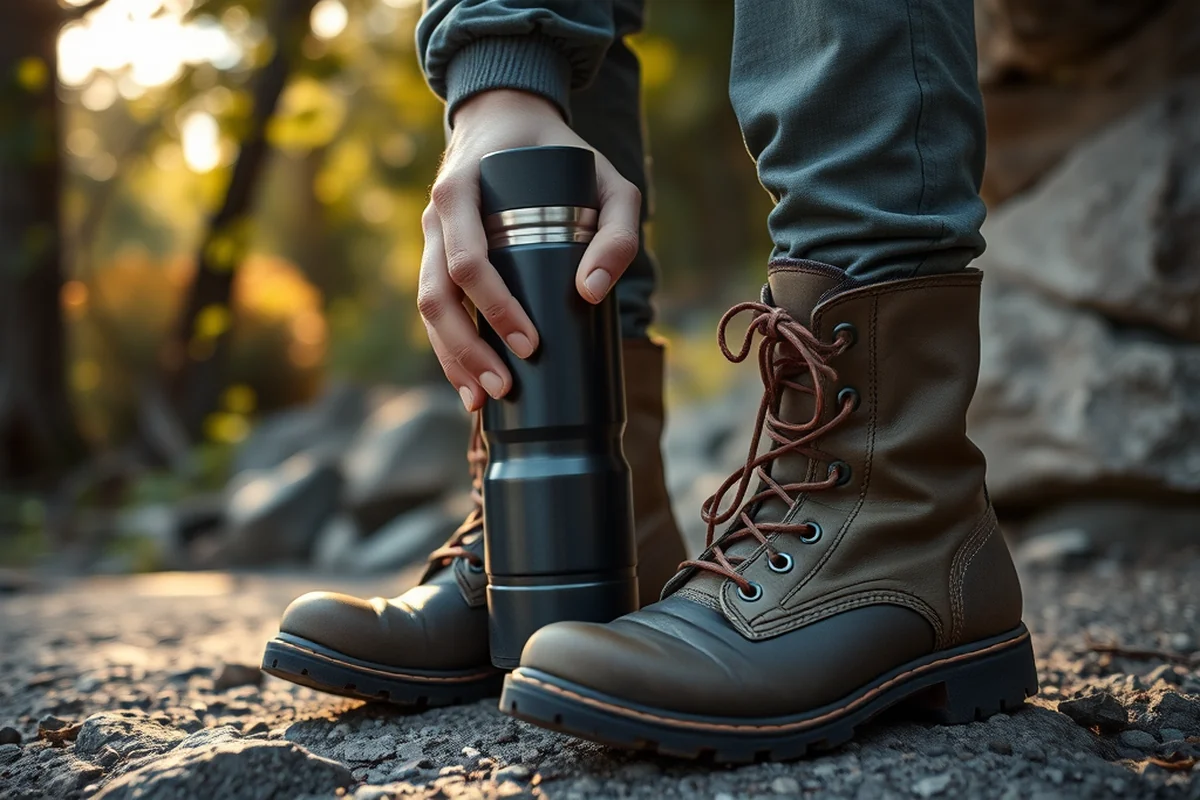
I once stayed in a hostel that didn’t allow musical instruments, and I had to practice outside in the rain. It was a nightmare. Finding the right accommodation is one of the biggest ‘solo travel essentials problems’ musicians face.
Not all hotels or hostels are equipped to handle the needs of a musician. Some have strict no-instrument policies, while others lack proper soundproofing. I’ve learned that booking a place with a private room and a dedicated practice space is the best solution.
I’ve found that Airbnbs with a small room and a balcony are perfect for solo musicians. They offer privacy, space, and a quiet place to practice. Always check the listing for any restrictions on musical instruments before booking.
A quiet room and a good soundproofing setup can make all the difference for a solo musician on the road.
Related: Best solo travel essentials
Related: Solo travel essentials comparison
Related: Types of solo travel essentials
Related: Solo travel for over 70s templates
Related: Solo Travel Essentials Tips
Dealing with Language Barriers and Cultural Differences
I once asked a hotel clerk in Japan for a room with a practice space, and she didn’t understand. I had to use Google Translate and a lot of hand gestures to get what I needed. Language barriers are a common ‘solo travel essentials problem’ for musicians.
Even if you know a few phrases in the local language, misunderstandings can still happen. I’ve found that carrying a small phrasebook or using translation apps can be lifesavers in these situations.
Cultural differences can also affect how musicians are received. In some countries, public practice is frowned upon, while in others, it’s encouraged. Learning the local customs and being respectful can help you avoid awkward situations.
Learning basic phrases in the local language can help you communicate better and avoid misunderstandings. This is especially useful for solo musicians who may need to explain their needs.
“I remember the first time I packed my guitar and boarded a flight alone.”— Solo Travel for Musicians editors
Related: Solo travel essentials alternatives
Navigating Public Transportation with a Guitar
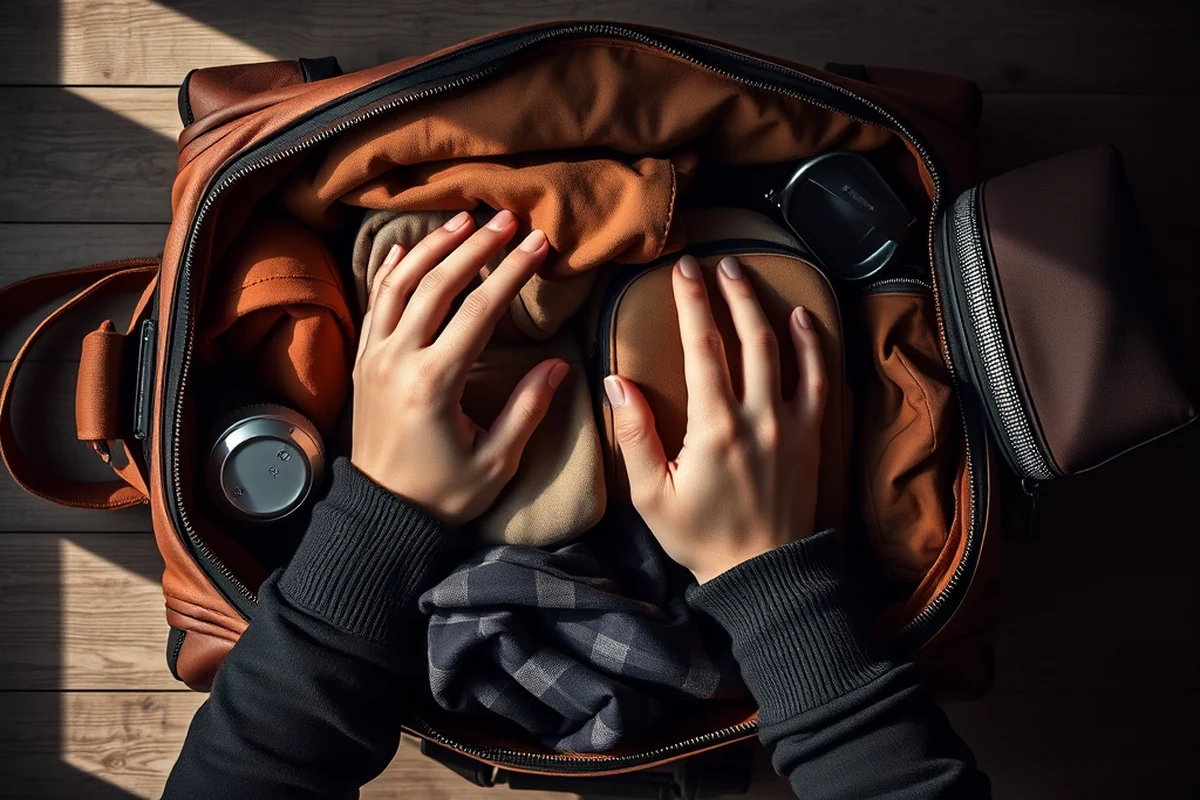
I once tried to bring my guitar on a train in Italy and was told I couldn’t. I had to rent a taxi and pay extra for the ride. Navigating public transportation with a guitar is a common ‘solo travel essentials problem’ that many musicians face.
Guitars are large and can be difficult to carry on public transportation, especially in crowded cities. I’ve found that researching the transportation options in advance and checking if guitars are allowed on buses, trains, or subways is essential.
One solution I’ve used is to use a case that’s compact and lightweight. I also make sure to carry it with me rather than checking it in. This helps avoid any issues with lost or damaged instruments.
Staying Connected While Traveling Solo
I once got lost in a city and had no signal on my phone. It was a terrifying experience. Staying connected is a major ‘solo travel essentials problem’ that can’t be ignored.
Having a reliable internet connection and a backup power source for your phone is crucial. I always carry a portable charger and a local SIM card when I travel.
I’ve also used apps like Google Maps and offline maps on my phone to navigate without internet. These tools have saved me more than once when I was in an area with no signal.
Managing Health and Safety While Traveling Solo
I once got sick in a remote town and had no access to a pharmacy. It was a scary situation. Managing health and safety is a critical ‘solo travel essentials problem’ that every musician should be prepared for.
I always carry a basic first-aid kit and medications for common issues like stomach problems or allergies. I also make sure to have travel insurance that covers medical emergencies.
Staying safe is also about being aware of your surroundings. I’ve found that walking in well-lit areas, avoiding risky neighborhoods, and keeping copies of important documents is essential for solo musicians on the road.
Health and safety should never be an afterthought when traveling alone. A little preparation can go a long way.
Dealing with Performance Opportunities and Gigs
I once arrived in a city with the intention of performing and found out there were no open mic nights. It was a disappointment. Finding gigs is a common ‘solo travel essentials problem’ that many musicians face when traveling.
Researching local music venues, open mic nights, and festivals in advance is essential. I’ve found that websites like Meetup and Facebook groups are great resources for finding performance opportunities.
I’ve also used my network of fellow musicians to connect with local venues. Word of mouth is often the best way to find gigs in unfamiliar cities.
The Challenge of Packing and Transporting Musical Gear
Transporting a guitar, amplifier, or other instruments can be a logistical nightmare. I once spent 3 hours at a train station in Tokyo trying to fit my gear into a single carry-on, only to realize the airline required checked baggage for larger items. This meant an extra $120 in fees and 4 hours of waiting at the airport. To avoid this, I now use a specialized guitar case with wheels and a padded gig bag for smaller items, which makes moving through airports and train stations significantly easier.[5]
Another challenge is finding storage space in hostels or budget accommodations. I’ve stayed in places where the only available room was a dorm with no space for gear. This led to me having to pay for a private room just to store my equipment, adding around $50 per night. To mitigate this, I now book accommodations that explicitly mention storage options for musicians or have a dedicated gear room.
I’ve also learned to be strategic with my gear. For example, I only bring a single guitar on short trips and leave the amplifier behind unless I’m planning to perform. This cuts down on weight and cost. On a 10-day trip in Europe, this approach saved me $200 in baggage fees and 3 hours of airport time. It’s a small change, but it makes a big difference in the overall travel experience.
Finding Affordable and Reliable Gig Opportunities While Traveling Solo
I’ve tried using gig-finding apps, but most of them require a membership fee or only show local gigs in cities I’m already visiting. I once paid $15 per month for a service that gave me access to 10 gigs a month, but only 2 of them were in the area I was traveling to. This made the subscription feel like a waste of money. A better approach has been to use social media and local musician groups on Facebook or Reddit to connect with venue owners or event organizers directly.
I once booked a gig through a local Facebook group in Barcelona, and the venue owner offered me a 50% discount because I was a solo artist. This not only saved me $100, but it also gave me an opportunity to network with local musicians. I’ve found that being open about my availability and sharing my music online increases the chances of getting gig opportunities. I’ve also started using Instagram stories to promote my availability, which has led to a few surprise gigs in unexpected cities.
Another tip I’ve picked up is to attend open mic nights in unfamiliar cities. I’ve met several venue owners and event organizers this way, and they’ve even offered me free gigs in exchange for promotion. On one occasion, an open mic night in Prague led to a two-week residency at a local café, which not only covered my travel costs but also gave me valuable performance experience. It’s a low-cost, high-reward approach that I recommend to any solo musician on the move.
💰 Budget Solo Trip
A low-cost solo trip that focuses on essentials and minimalism, perfect for musicians on a tight budget.
✈️ Long Weekend Adventure
A short but packed solo trip that maximizes experiences and minimizes costs for those with limited time.
👨👩👧👦 Solo Trip with Kids
A family-friendly solo travel experience tailored for musicians with children, focusing on comfort and safety.
❄️ Off-Season Getaway
A solo trip during the off-season that offers lower prices and a more relaxed atmosphere for musicians.
💎 Luxury Solo Journey
A high-end solo trip with all the comforts and amenities, perfect for musicians looking for a more indulgent experience.
| The mistake | Why it happens | The fix |
|---|---|---|
| Forgetting to check visa requirements | Not checking visa requirements can result in being denied entry into a country, which can be both frustrating and expensive. | Always research visa requirements and apply in advance to avoid any issues at the border. |
| Not packing the right gear for the climate | Packing the wrong clothing or gear for the local climate can make your trip uncomfortable and even dangerous. | Research the local weather and pack accordingly. Always bring a lightweight jacket, even if it’s warm outside. |
| Ignoring health and safety precautions | Neglecting health and safety precautions can lead to serious issues like illness or injury while traveling. | Always carry a first-aid kit, have travel insurance, and stay aware of your surroundings. |
| Not planning for performance opportunities | Arriving in a city without knowing where to perform can be discouraging and may lead to missed opportunities. | Research local venues, open mic nights, and festivals in advance. Use online resources to connect with other musicians. |
Solo Travel Essentials Problems
Common Questions
How can I prepare for language barriers while traveling?
What should I do if my guitar gets damaged during travel?
How can I stay connected while traveling solo?
What should I do if I get lost in a foreign city?
References
- Summer Camp | Baltimore City (baltimorecity.gov)
- Blog - Page 99 of 143 - Off-Campus Study (blogs.hope.edu)
- STUDY ABROAD TRAVEL & LIVING GUIDE (broncosabroad.wmich.edu)
- Policy for Reimbursement of Travel Expenses Incurred by Lawyer ... (cacd.uscourts.gov)
- - A REVIEW OF THE STATE OF AND BARRIERS TO MINORITY ... (congress.gov)
Cite this guide
Solo Travel for Musicians (2026). Solo Travel Essentials Problems. https://drumroute.com/solo-travel-essentials-problems/
Feel free to cite or share this guide.