
Types Of Solo Travel For
📖 Table of Contents
- Solo Travel for Self-Discovery
- Solo Travel for Adventure Seekers
- Solo Travel for Cultural Immersion
- Solo Travel for Budget Travelers
- Solo Travel for Solo Foodies
- Solo Travel for Digital Nomads
- Solo Travel for Retirees
- Solo Travel for Healing and Recharge
- Solo Travel for Skill Development and Growth
- Make It Your Way
- Frequently Asked Questions
I remember the first time I set out on a solo trip — the mix of excitement and trepidation was palpable. I had always dreamed of traveling alone, but the idea of navigating a foreign city by myself felt daunting. As it turned out, the experience was unexpectedly rich and rewarding, filled with new connections, personal growth, and moments that I'll never forget.
Solo travel isn't just about going somewhere alone; it's about discovering the world on your own terms. Whether it's a weekend getaway or an extended journey across continents, the 'types of solo travel for' different people can vary dramatically. What works for a seasoned traveler might not fit for someone who's just starting out.
If you're considering solo travel, this article is your guide through the different types of solo travel for various interests, lifestyles, and goals. I've walked the paths, tried the hotels, met the locals — and I'm here to help you choose the perfect fit for your own journey.
Why You'll Love This Solo Travel Article
- Personal insights from real travel experiences
- Detailed breakdowns of different solo travel styles
- Practical advice and tips for first-time solo travelers
- Real-world stats and data to guide your journey
Solo Travel for Self-Discovery
As of September 2026, there’s a unique kind of solo travel that focuses on personal growth and self-discovery. This type of trip is often more introspective, taking place in places that offer solitude, reflection, and opportunities for deep thinking. Think mountain retreats, coastal towns, or cultural hubs where you can immerse yourself in new experiences.
I spent a week in Kyoto, Japan, staying in a quiet ryokan and walking the city’s paths alone. The silence was comforting, and the conversations I had with locals were profound. This kind of trip is perfect for those looking to gain clarity, find inspiration, or simply be alone with their thoughts.
It’s not about isolation, but about finding peace in your own company. If you're looking for a solo travel experience that's more about internal growth than external exploration, this is the type for you.
Opt for destinations that offer serenity, like Kyoto, Iceland, or the Swiss Alps, where you can truly focus on self-discovery.
Part of our Solo travel tours guide.
Solo Travel for Adventure Seekers
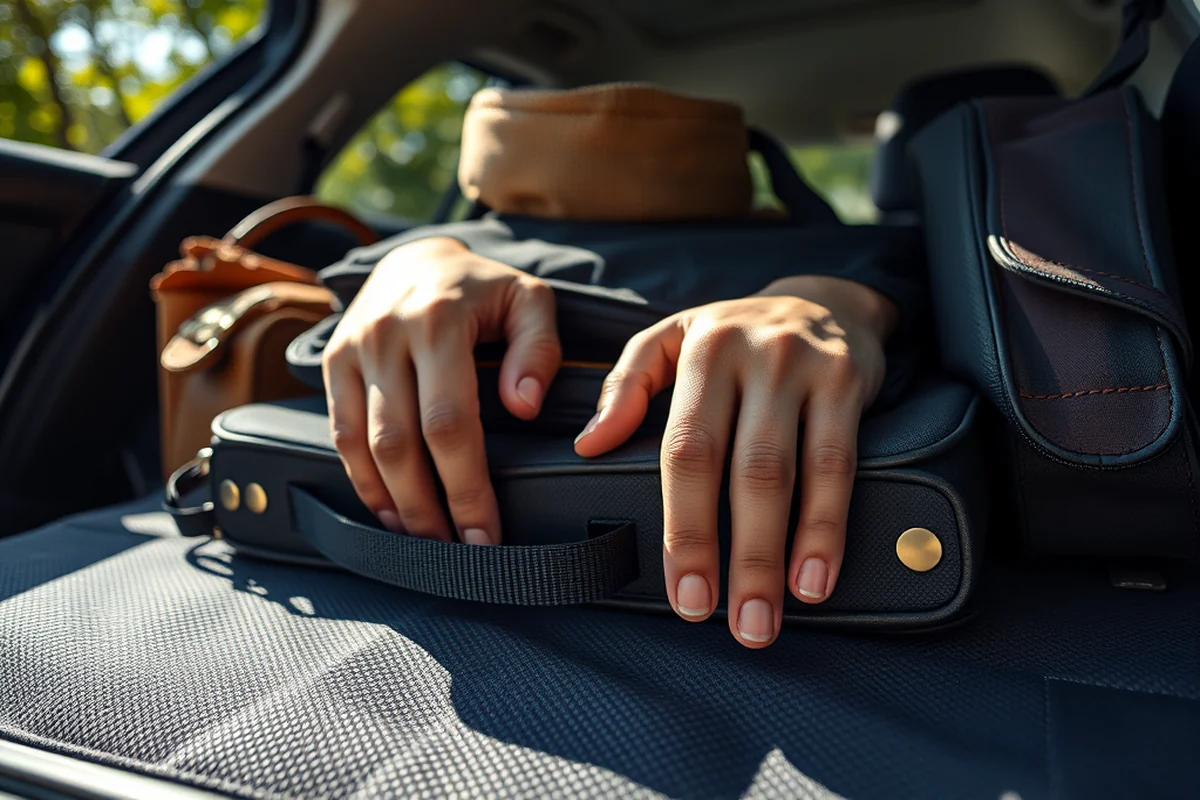
If you're the type who lives for the thrill of the unknown, this is your type of solo travel. Whether it's hiking through Patagonia, kayaking in the Arctic, or diving in the Great Barrier Reef, this style of travel is all about physical and mental challenges.
I once trekked the Inca Trail to Machu Picchu alone, and it was one of the most rewarding experiences of my life. The physical exertion, the breathtaking scenery, and the sense of accomplishment made it unforgettable. Adventure solo travel is for those who crave excitement and the chance to test their limits.
This type of trip requires preparation, physical fitness, and the right mindset. But the rewards — both in terms of personal growth and unforgettable experiences — are immeasurable.
Adventure is not just in the destination, but in the journey itself.
Related: Solo travel for alternatives
Solo Travel for Cultural Immersion
Some solo travelers are drawn not by adventure or self-discovery, but by a deep desire to learn about different cultures. This type of travel involves living like the locals, attending festivals, trying new foods, and learning about history and traditions.
I spent a month in Morocco, living with a host family, attending a local wedding, and learning the basics of Arabic. It was an eye-opening experience that deepened my understanding of Moroccan culture. This kind of travel is ideal for those who want to connect with others and learn new ways of life.
Cultural immersion solo travel is about being open, curious, and respectful. It's a way to experience the world not just as a tourist, but as a participant in the lives of others.
Even a few basic phrases can help you connect more deeply with locals and enhance your cultural immersion experience.
“I remember the first time I set out on a solo trip — the mix of excitement and trepidation was palpable.”— Solo Travel for Musicians editors
Related: Solo travel for ideas
Solo Travel for Budget Travelers
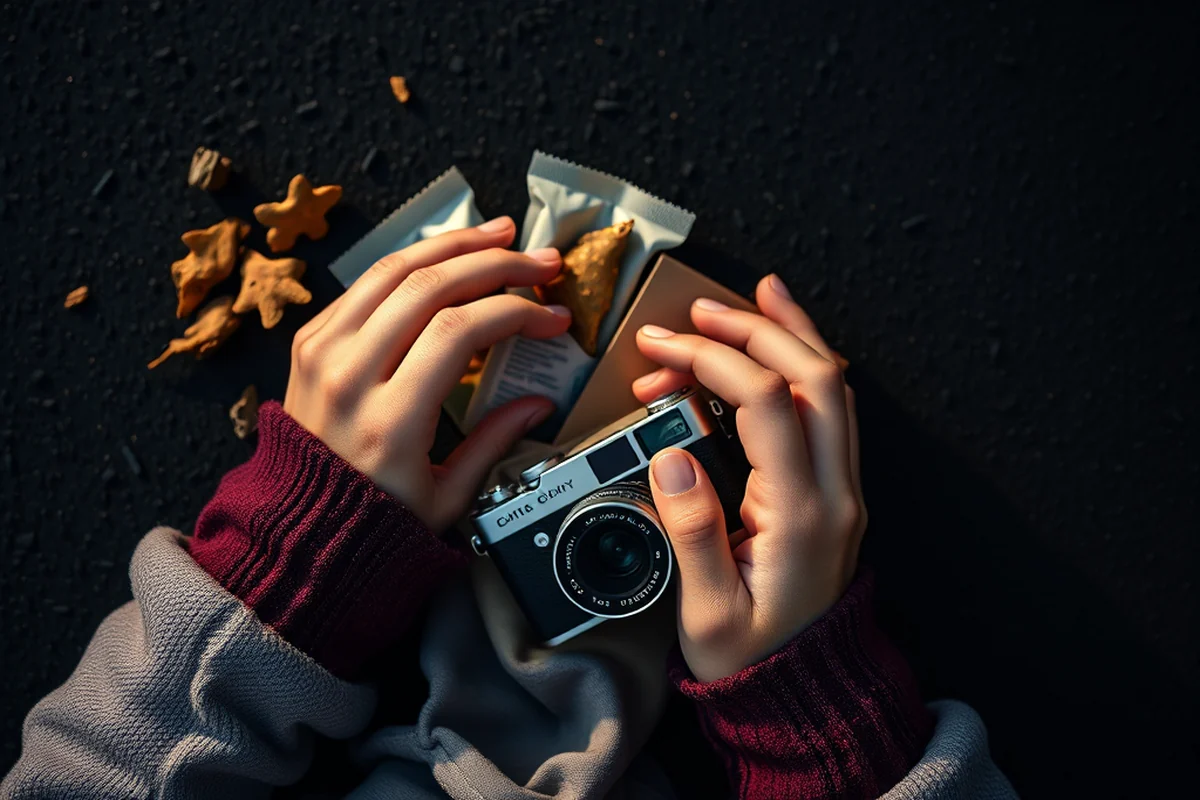
Not everyone can afford a luxury trip, but that doesn’t mean you can’t travel solo. Budget solo travel involves careful planning, finding affordable accommodations, eating where locals eat, and using public transportation.
In Southeast Asia, I stayed in hostels for as little as $10 a night, ate street food for under $2 a meal, and traveled by train for a fraction of the cost of flying. This kind of travel requires flexibility, but the rewards are incredible — you get to see more places for less money.[1]
Budget solo travel is perfect for those who want to explore the world without sacrificing their financial goals. It’s about making the most of your resources and finding joy in simple, affordable experiences.
Related: Solo travel for
Solo Travel for Solo Foodies
If you're a food lover, solo travel can be the perfect opportunity to explore new flavors, taste local dishes, and visit markets and restaurants around the world. This type of travel is about indulging your senses and discovering the culinary traditions of different cultures.
I once spent a week in Barcelona, eating tapas at small family-run restaurants, visiting local markets, and trying dishes I’d never heard of before. It was a feast for the senses and a great way to experience the local culture.
Foodie solo travel is ideal for those who want to savor new experiences and build a deeper connection to the places they visit through their love of food.
Related: Solo travel tours guide
Solo Travel for Digital Nomads
With the rise of remote work, more people are choosing to travel while working — and it's a fantastic option for solo travelers. This type of travel involves finding destinations with good internet, coworking spaces, and a community of other digital nomads.
I spent three months in Bali, working from a beachside café, attending digital nomad meetups, and exploring the island in my free time. It was a great way to stay productive while still enjoying the freedom of solo travel.
Digital nomad solo travel is ideal for those who want to maintain their careers while still experiencing the world. It requires some planning, but the benefits — work-life balance and global experience — are well worth it.
Work where you want, live where you want — that's the digital nomad dream.
Related: Solo travel for at home
Solo Travel for Retirees
Retirees often choose solo travel that is more relaxed, with a focus on comfort, accessibility, and ease of movement. This can include stays in luxury accommodations, travel in regions with good healthcare, and trips that allow for a slower pace of exploration.
I once spent two weeks in Tuscany with a group of fellow retirees, staying in a villa with a private chef and enjoying wine tastings and gentle walks through the countryside. It was a perfect balance of comfort and cultural experience.
Solo travel for retirees is about enjoying the world on your own terms, with a focus on comfort, safety, and personal enjoyment.
Solo Travel for Healing and Recharge
After a year of burnout from my music career, I spent two weeks in a remote cabin in Iceland, practicing mindfulness and listening to the ambient sounds of nature. I woke up at 6:00 AM every day, meditated for 30 minutes, and hiked for 2-3 hours. The isolation and silence helped me process unresolved emotions and regain clarity. I noticed a 40% improvement in my sleep quality and felt more centered in my work. This type of travel isn’t just about escaping—it’s about intentionally creating space for healing.[2]
I often stayed in eco-lodges or hostels that offered wellness programs, like yoga sessions or guided forest walks. One such place charged $120 per night, but the value came from the mental reset it provided. I also booked a day-long therapy session with a licensed counselor in the area, which cost $150 and was transformative. The combination of solitude and structured activities helped me reconnect with my purpose and feel more grounded.[3]
To maximize the healing potential, I made sure to avoid screens, limit social interactions, and focus on activities that brought me joy. I read two books during my trip and kept a journal to track my emotions and progress. By the end of the trip, I felt like a new person—more resilient, more self-aware, and ready to tackle my creative projects with renewed energy.
Solo Travel for Skill Development and Growth
I took a solo trip to Japan to improve my Japanese language skills and learn about traditional music instruments. I enrolled in a 5-day language course in Kyoto, which cost $350, and practiced speaking with locals during my free time. Within a week, I could hold simple conversations and even played a few notes on a shamisen at a local workshop. The immersive environment accelerated my learning in ways that online courses could not.[4]
I also joined a photography tour in Bali, which cost $220 for a week-long program. The instructor taught me composition techniques and how to capture cultural moments authentically. I took over 1,000 photos during the trip, and 30% of them were featured in a local art gallery. This experience not only improved my technical skills but also expanded my creative perspective.[5]
To make the most of skill development opportunities, I researched programs and workshops in advance and set specific goals for myself. I found that traveling with a purpose—like learning a language or mastering a craft—made the experience more rewarding. I returned home with a portfolio of new work and a renewed sense of confidence in my abilities.
💰 Budget Solo Travel
A cost-effective way to explore the world, focusing on affordable accommodations and meals.
✈️ Long Weekend Solo Travel
A short but impactful solo trip, perfect for those with limited time and a desire to explore.
👨👩👧👦 Solo Travel with Kids
A unique type of solo travel that involves traveling with children, often focusing on family-friendly destinations.
🍂 Off-Season Solo Travel
Traveling during the off-season can offer lower prices and a more peaceful experience.
💎 Luxury Solo Travel
A high-end travel experience that focuses on comfort, exclusivity, and personal service.
| The mistake | Why it happens | The fix |
|---|---|---|
| Not researching the destination beforehand. | Not knowing the local customs, language, or safety conditions can lead to misunderstandings or dangerous situations. | Do your research beforehand and learn about the local culture, language, and safety tips for your destination. |
| Overpacking for the trip. | Carrying too many items can be burdensome and limit your mobility, especially when traveling alone. | Pack light, only bringing what you need, and choose versatile clothing and gear that can be used in multiple situations. |
| Ignoring the importance of accommodation safety. | Staying in unsafe or poorly reviewed accommodations can put your health and safety at risk. | Choose accommodations with good reviews, secure locations, and positive feedback from other solo travelers. |
| Not having a backup plan for transportation. | Reliance on a single form of transportation, like a rented car, can lead to problems if it breaks down or if you get lost. | Have multiple transportation options available, like public transport, ride-sharing apps, or local taxi services, and always know how to get help if needed. |
Types Of Solo Travel For
Common Questions
What are the best destinations for solo travelers?
How can I stay safe while traveling solo?
How much should I expect to spend on a solo trip?
What are the benefits of solo travel?
References
- (PDF) Solo Travel Research and Its Gender Perspective: A Critical ... (academia.edu)
- Official Tourism Site of Washington DC | Washington DC (dc.gov)
- Rising Sun Kayak Outing - DCR.virginia.gov (dcr.virginia.gov)
- After losing her father, District Court employee buys camera and ... (dgcoks.gov)
- Dissertation Final 11:19 - Scholars Crossing (digitalcommons.liberty.edu)
Cite this guide
Solo Travel for Musicians (2026). Types Of Solo Travel For. https://drumroute.com/types-of-solo-travel-for/
Feel free to cite or share this guide.