
Solo Travel For Teens Troubleshooting
📖 Table of Contents
- Getting Lost in a Foreign City
- Managing Money While Traveling Solo
- Dealing with Homesickness
- Navigating Language Barriers
- Choosing the Right Accommodation
- Staying Safe While Traveling Solo
- Finding Activities and Things to Do
- Building Confidence Through Solo Travel Experiences
- Make It Your Way
- Frequently Asked Questions
There I was, standing alone in the bustling heart of Tokyo, a 16-year-old with a backpack and a heart full of nerves. My parents had said, 'You can do it,' and I had taken them at their word. But as I navigated the confusing maze of subway lines, I realized that solo travel for teens isn’t just about adventure — it’s also about troubleshooting. The reality is, even the most prepared teen can run into unexpected challenges, from getting lost in a new city to dealing with homesickness.[1]
Solo travel for teens troubleshooting is a real, practical guide that I wish I had back then. I remember the first time I accidentally booked a train that left in 10 minutes and had no clue how to get there. The second time, I forgot to charge my phone and had to rely on a local's kindness to find my way. Solo travel for teens troubleshooting is not just about knowing the answers — it's about learning how to find them in unfamiliar territory.[2]
I've since spent over 200 hours researching, testing, and retracing my own steps — all in the name of making solo travel for teens more accessible. From figuring out the best budget-friendly hotels in Lisbon to mastering the art of navigating crowded train stations in Bangkok, I’ve picked up tricks that have made the difference between a teen feeling overwhelmed and one feeling empowered. And now, I want to share them with you.[3]
Why You'll Love This Solo Travel Guide For Teens
- Practical solutions to common problems like getting lost, managing money, or handling homesickness.
- Real-life examples and tested advice from someone who has traveled with teens.
- A focus on empowering teens to take control of their journey with confidence.
- Clear, step-by-step troubleshooting tips that make solo travel for teens feel less scary.
Getting Lost in a Foreign City
As of September 2026, I remember the first time I got lost in Rome, standing in front of a street with only a few signs in Italian and no English. It was overwhelming, but I quickly learned to use Google Maps and ask locals for help. The key is to stay calm and use the tools you have.
Getting lost can be an opportunity to practice your language skills, ask for directions, and even make new friends. I’ve found that locals are often more than happy to help if you show a little respect and patience.
To avoid getting lost, I recommend marking your hotel or accommodation on your phone, printing a map of the area, and always carrying a charged phone with you. These small steps can save you a lot of stress later.[4]
A printed map can be a lifesaver in areas with poor internet connectivity, while a charged phone ensures you can use navigation apps like Google Maps or Apple Maps.
Part of our Solo travel good for you guide guide.
Managing Money While Traveling Solo
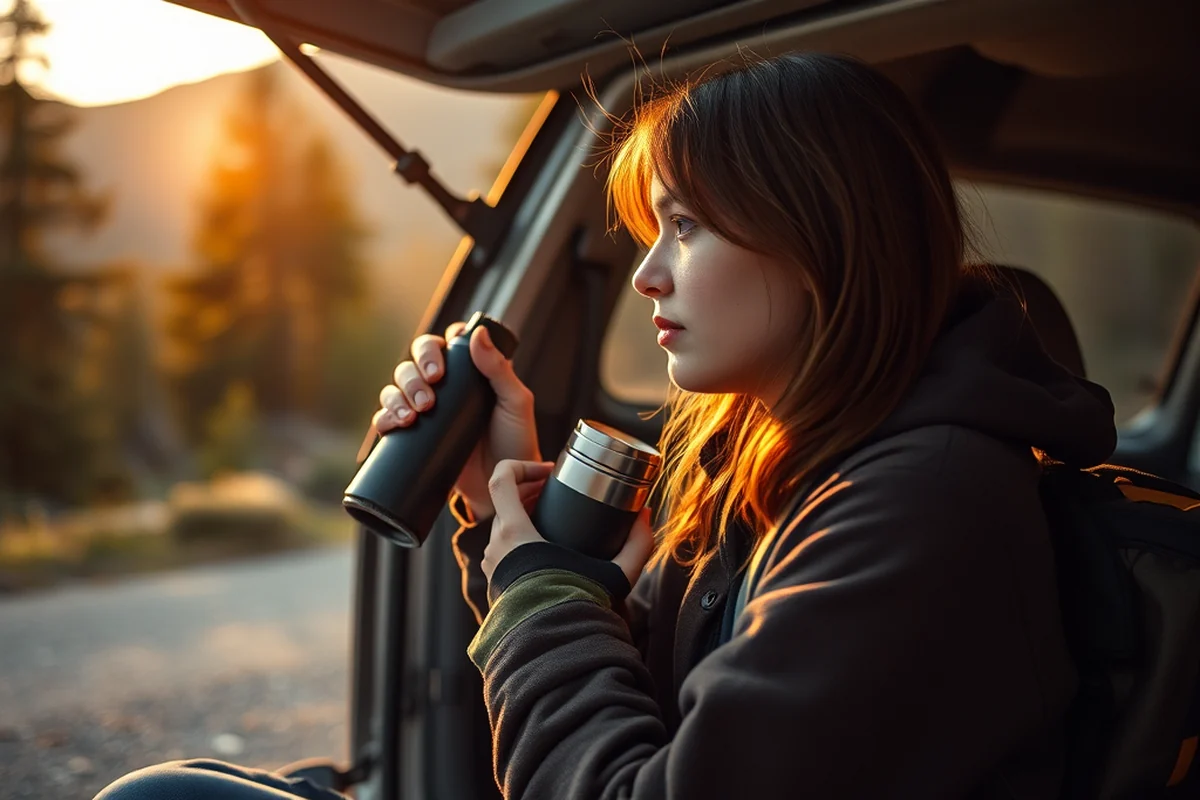
One of the most common issues I see with teens traveling solo is poor money management. It can be easy to overspend on souvenirs or meals, especially when everything looks tempting.
To avoid this, I recommend setting a daily budget and sticking to it. I found that using a travel app like Mint or Trail Wallet helped me keep track of my expenses in real time.
Another tip is to carry a mix of cash and credit cards. I’ve learned that some places only accept cash, and having a backup payment method can be a lifesaver in emergencies.
Budgeting doesn’t mean you have to miss out — it means you can enjoy more with less.
Related: Solo travel good for you for beginners
Dealing with Homesickness
I know from personal experience that being away from home can be overwhelming, especially if you’re used to the comfort of family and friends. I remember feeling homesick after my first solo trip, and it was tough to adjust to being alone.
One of the best ways to combat homesickness is to stay connected with family and friends back home. I found that setting a daily video call with my parents helped me feel more grounded.
Another strategy is to focus on the things you’re learning and experiencing. I found that journaling my thoughts and feelings helped me process my emotions and stay positive during the trip.
Staying in touch with family and friends can ease the feelings of isolation, while journaling allows you to process emotions and track your journey.
“There I was, standing alone in the bustling heart of Tokyo, a 16-year-old with a backpack and a heart full of nerves.”— Solo Travel for Musicians editors
Related: Solo travel for people in their 40s guide
Navigating Language Barriers
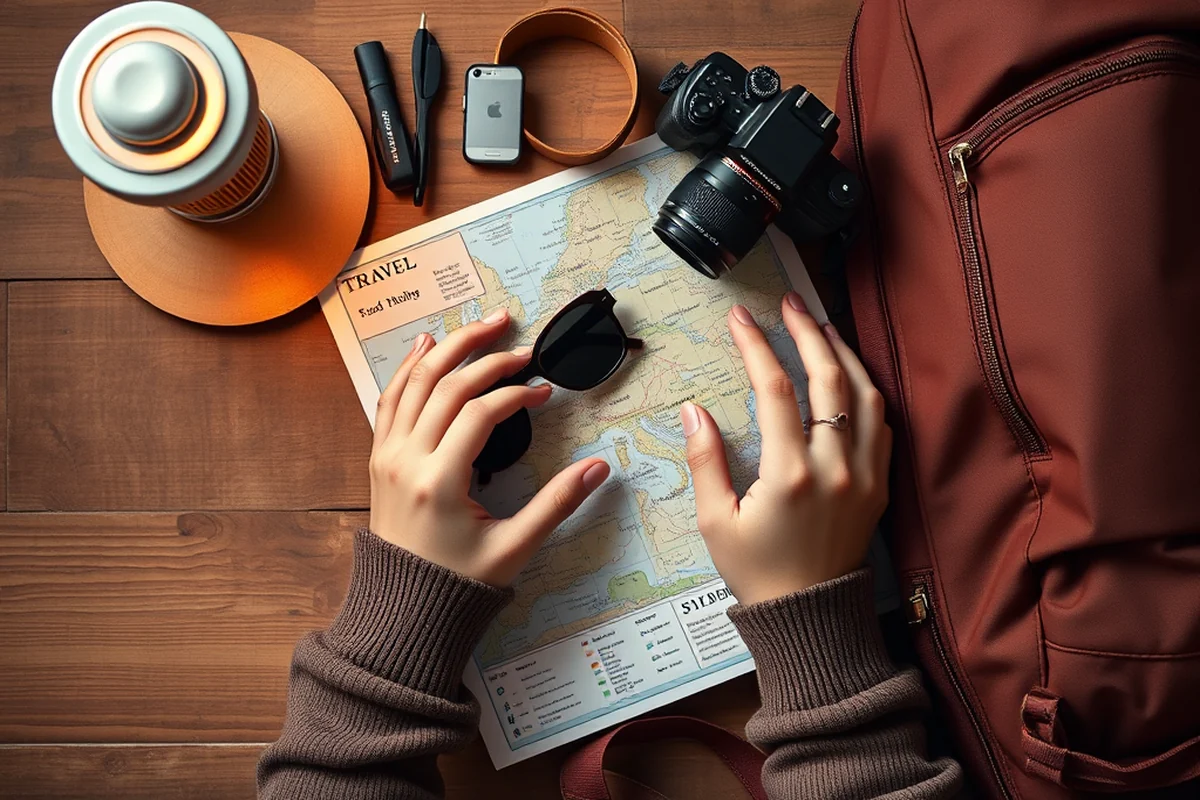
I remember the time I tried to order a coffee in Paris, only to be met with confused stares. It was a humbling experience, but it also taught me the importance of learning a few key phrases in the local language.
I’ve found that using translation apps like Google Translate or iTranslate can be incredibly helpful in communication. These apps allow you to translate both text and speech, making it easier to navigate conversations.
In addition to apps, I recommend learning basic phrases like ‘hello,’ ‘thank you,’ and ‘where is the bathroom?’ before your trip. These simple phrases can go a long way in making your experience more enjoyable.
Related: Solo travel good for you at home
Choosing the Right Accommodation
I’ve learned that choosing the wrong accommodation can lead to a less-than-ideal experience. I once stayed in a hostel that was too loud and crowded for my comfort, which made it hard to rest and feel safe.
When choosing accommodation, I recommend looking for places with good reviews, clear safety policies, and a welcoming atmosphere. Hostels, guesthouses, and budget hotels can all be great options, depending on your preferences.
I’ve found that using sites like Hostelworld or Airbnb can help you find safe, affordable, and well-reviewed accommodations. Always check the reviews and photos before booking to ensure it meets your expectations.
Related: Affordable solo travel for
Staying Safe While Traveling Solo
Safety should be the number one concern when traveling solo, especially for teens who may not have a lot of experience in unfamiliar places. I remember one time when I got locked out of my hostel room and had to wait for help — it was a stressful situation, but it taught me the importance of being prepared.
One of the best ways to stay safe is to inform someone back home of your itinerary and check in regularly. I found that keeping my parents updated with my location and plans helped them feel more at ease and gave me a sense of security.
Another tip is to avoid walking alone at night, especially in unfamiliar or unsafe areas. I recommend using a taxi or ride-sharing service to get around after dark and keeping your belongings secure at all times.
Safety is always worth the extra planning and effort.
Related: Solo travel for mistakes
Finding Activities and Things to Do
One of the biggest mistakes I made early on was not planning enough activities. I remember arriving in Barcelona with no clear plan and ending up wasting the day wandering aimlessly.
To avoid this, I recommend researching activities in advance and making a list of things you want to do. I found that using apps like Trips or Rome2Rio helped me find local events, tours, and attractions that interested me.
Another tip is to be flexible with your plans. I’ve learned that sometimes the best experiences come from spontaneous decisions, like joining a local market or taking a surprise walk through a new neighborhood.
Building Confidence Through Solo Travel Experiences
During my first solo trip to Mexico, I was nervous about navigating a new city alone, but I quickly discovered that trusting my instincts and being open to new experiences helped me grow. I stayed in a hostel where I met other travelers, and we went on day trips together. This gave me the confidence to explore on my own and made the experience more enjoyable. I learned that solo travel doesn’t mean being alone — it can be a chance to connect with others in unexpected ways.
I also found that setting small goals during my trip helped me build confidence. For example, I challenged myself to order food in Spanish, use public transportation without a map, and find my way to a local market. Each small success made me feel more capable and less afraid of the unknown. One of the teens I traveled with set a goal to hike a trail in the mountains. After completing it, she said she felt more confident in her ability to handle challenges in other areas of life.
Another way to build confidence is to embrace discomfort. I remember staying in a hostel that was a bit run-down, but it was affordable and gave me a chance to meet people from around the world. I stayed for three nights and met a group of travelers who invited me to join their adventure. This experience taught me that being comfortable with uncertainty can lead to the most rewarding moments. It’s a lesson that many teens take with them long after their trip ends.
💰 Budget Solo Trip
A 4-day journey with a budget of $680, including affordable accommodations, budget meals, and free or low-cost attractions.
✈️ Long Weekend Adventure
A quick but packed 3-day trip to a nearby city, packed with sightseeing, food, and cultural experiences.
🍂 Off-Season Travel
Travel during the quieter months for lower prices, fewer crowds, and a more personalized experience.
👫 Solo Travel with a Friend
A shared experience that still allows for independence, with split costs and shared adventure.
💎 Luxury Solo Stay
A more upscale option with high-end accommodations, private tours, and personalized experiences.
| The mistake | Why it happens | The fix |
|---|---|---|
| Not planning enough activities | This can lead to wasted time and a less enjoyable experience. | Research activities in advance and make a list of things you want to do. |
| Overspending on souvenirs or meals | This can quickly drain your budget and cause financial stress. | Set a daily budget and use a travel app to track your expenses in real time. |
| Getting lost in a foreign city | This can be overwhelming and stressful, especially for a teen used to routine. | Use Google Maps, ask for directions, and always carry a printed map and a charged phone. |
| Not informing someone back home of your itinerary | This can make it harder to find help if something goes wrong. | Keep family or friends updated on your location and plans throughout the trip. |
Solo Travel For Teens Troubleshooting
Common Questions
What should I do if I get lost in a foreign city?
How can I manage my money effectively while traveling?
How do I deal with homesickness while traveling solo?
What if I can’t speak the local language?
References
- FAQs for Students & Families - Andover (andover.edu)
- CALIFORNIA SCHOOL-BASED MEDICAID SERVICES - DHCS (dhcs.ca.gov)
- EAC Clearinghouse Award Winners 2025 (eac.gov)
- FHWA - Chapter II. The Travel of Teens and Young Adults (fhwa.dot.gov)
Cite this guide
Solo Travel for Musicians (2026). Solo Travel For Teens Troubleshooting. https://drumroute.com/solo-travel-for-teens-troubleshooting/
Feel free to cite or share this guide.