
Best Solo Travel For Young Professionals
📖 Table of Contents
- Why Solo Travel is Perfect for Young Professionals
- The Power of Solo Travel in Building Confidence
- Solo Travel as a Professional Development Tool
- The Financial Realities of Solo Travel for Young Professionals
- Solo Travel and Work-Life Balance
- The Solo Traveler’s Toolkit: What to Pack
- Solo Travel as a Way to Reconnect with Yourself
- Make It Your Way
- Frequently Asked Questions
I remember the first time I boarded a plane alone, my carry-on packed with a notebook, a camera, and a sense of curiosity that felt like a second skin. As a young professional in my mid-20s, I’d always imagined solo travel as a luxury reserved for the retired or the fully unhurried. But when I found myself with a week of unstructured time between projects, I decided to take the plunge. The result? A week in Lisbon that changed how I view both travel and myself, and I realized that the best solo travel for young professionals is not just possible — it’s incredibly rewarding.[2]
Solo travel for young professionals isn’t about abandoning the comforts of routine; it’s about expanding your comfort zone in a way that feels purposeful and enriching. I spent three days exploring cobblestone streets, two in a rooftop bar overlooking the Tagus River. One in a local café where a Portuguese grandmother taught me how to say 'thank you' in six different ways. Each moment was a reminder that the best solo travel for young professionals doesn’t require a big budget or a long-term commitment — it just needs an open mind.[3]
What I didn’t expect was how much this trip would impact my work life. Returning home with sharper focus, a more flexible mindset, and a portfolio of photos I’d never imagined taking, I realized that solo travel is one of the most underrated tools for professional growth. Whether it’s learning to navigate an unfamiliar city alone or adapting to spontaneous plans, the best solo travel for young professionals is about discovering strengths you didn’t know you had — and then using them to excel.[4]
Why You'll Love This Solo Travel Experience
- Cultivate self-reliance and adaptability through real-world challenges.
- Break routine and rediscover creativity in new environments.
- Network with diverse people and gain global perspectives.
- Boost personal confidence and professional problem-solving skills.
Why Solo Travel is Perfect for Young Professionals
As of September 2026, Solo travel is more than just a break from the daily grind — it’s a chance to reset your mindset and return to work with renewed clarity. I’ve found that the best solo travel for young professionals often happens when you’re not tied down by others’ schedules or expectations. I remember arriving in Lisbon on a Tuesday, not knowing a single person there. Yet by Saturday, I’d connected with a local tour guide, a fellow traveler from Tokyo, and even a small business owner who showed me his family’s vineyard. Each interaction added layers to my understanding of the world, and I returned home with new ideas for my work and life.[5]
One of the most underrated benefits of solo travel for young professionals is the way it builds resilience. I had a flight delay that cost me an entire morning of sightseeing. Instead of panicking, I found a local market where I sampled pastel de nata and learned basic Portuguese from a vendor who was patient and kind. These small setbacks — and the way I navigated them — taught me how to handle unexpected challenges in my work life with more grace and creativity.
Solo travel also encourages you to engage with the world more deeply. I didn’t just visit Lisbon — I wandered through neighborhoods I’d never heard of, tried meals that were unfamiliar to me, and asked questions that led me to unexpected places. The best solo travel for young professionals is about immersing yourself in the culture, not just observing it from the outside.
Allow for unexpected changes and trust that the unknown can lead to the best experiences. I’ve learned that some of my favorite memories came from last-minute decisions, like joining a local walking tour or staying in a guesthouse with a shared kitchen.
Part of our Solo travel for young professionals troubleshooting guide.
The Power of Solo Travel in Building Confidence
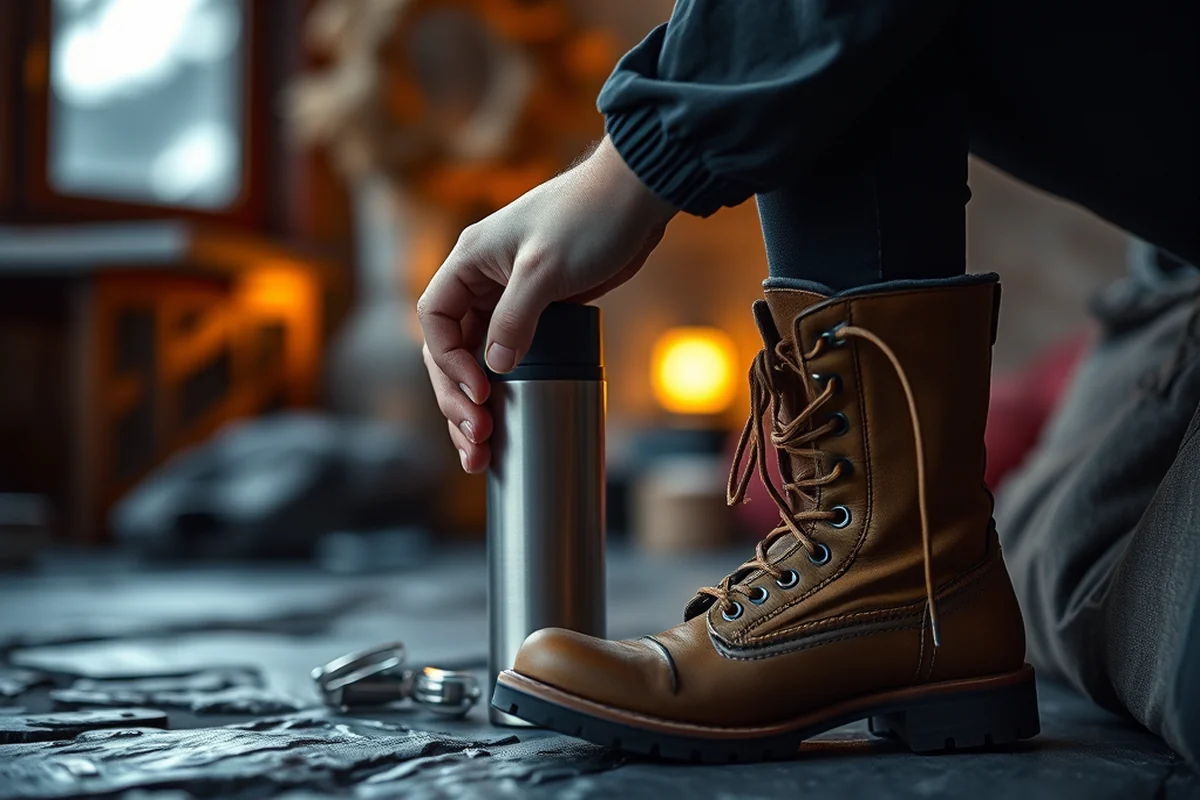
When I first traveled alone, I worried about being alone in unfamiliar places and not knowing the language. But within days, I found myself confidently handling the city, booking my own accommodations, and even leading a small group of travelers on a walking tour. The best solo travel for young professionals is not just about the places you visit — it’s about the version of yourself you discover along the way.
Confidence grows through the smallest of victories — like ordering a meal in a language I barely knew or finding my way through a complex metro system. I remember a moment when I had to ask for directions in Lisbon, and instead of feeling embarrassed, I found myself laughing and learning from the local’s enthusiasm. These interactions taught me that I could handle any situation — a lesson that directly translated to my work life.
Solo travel is a powerful reminder that you are capable of more than you think. I returned home with not just new memories, but a stronger belief in my own abilities. The best solo travel for young professionals is about discovering your own strength — and using it to push boundaries in your career and personal life.
Solo travel is the ultimate confidence booster — it teaches you that you can handle the unknown.
Related: Solo travel for over 60s
Related: How to solo travel for over 50 s
Related: Types of solo travel for teens
Related: Solo travel for over 50 s step by step
Solo Travel as a Professional Development Tool
Traveling alone is one of the most effective ways to develop skills that are highly valued in the professional world. I found myself constantly navigating new situations, making quick decisions, and adapting to unexpected changes — all of which are key traits in any career. The best solo travel for young professionals is a form of real-world training in problem-solving, communication, and adaptability.
Networking on solo trips is more organic and less transactional than it might be at conferences or in the office. I had the chance to connect with a local entrepreneur who shared insights about his business and even offered career advice. These interactions, which wouldn’t have been possible on a group trip, opened doors that have continued to benefit my career.
The exposure to different cultures and ways of thinking also broadens your perspective — a key trait for any leader. I returned home with a more global mindset and a fresh approach to my work, which I’ve since credited with helping me take on new projects and responsibilities.
Let your conversations flow naturally and focus on learning from others rather than just getting a business card. I’ve found that the most meaningful connections come from genuine interest and respect for the person you’re speaking with.
“I remember the first time I boarded a plane alone, my carry-on packed with a notebook, a camera, and a sense of curiosity that felt…”— Solo Travel for Musicians editors
Related: Best solo travel for teens
The Financial Realities of Solo Travel for Young Professionals
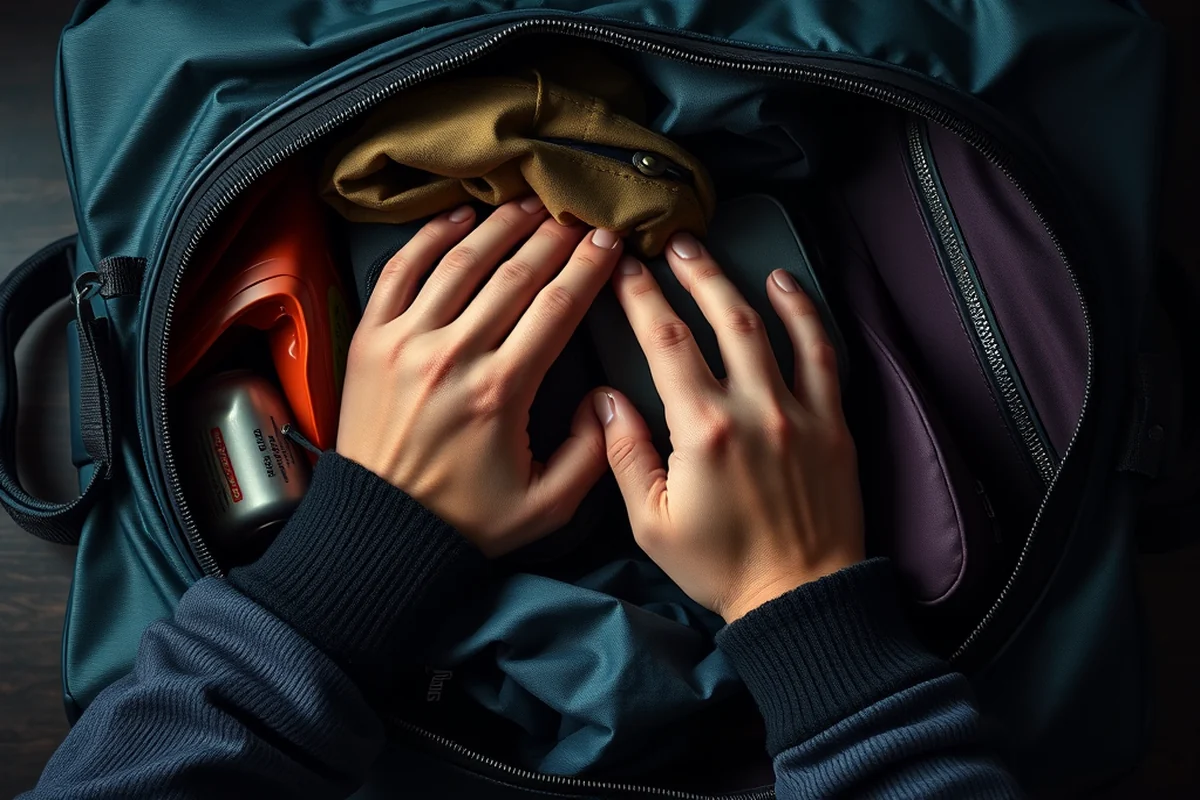
I was skeptical at first about whether I could afford to travel solo on my salary. After a few months of saving and using budget-friendly strategies, I found that it was entirely possible. The best solo travel for young professionals doesn’t require a luxury budget — it just needs thoughtful planning and a willingness to make trade-offs.
I kept my total trip cost under $700 by booking flights during the off-season, staying in budget accommodations, and eating at local restaurants instead of tourist traps. I also used free walking tours and public transportation to cut costs without sacrificing experiences. These strategies not only kept me within my budget but also taught me how to make the most of my resources.[1]
One of the biggest lessons I learned was that spending less doesn’t mean experiencing less. I had more meaningful interactions and deeper connections on my trip than I ever would have on a more expensive one. Solo travel for young professionals is not about luxury — it’s about maximizing value through smart choices and a mindset of curiosity over extravagance.
Solo Travel and Work-Life Balance
Solo travel is a powerful way to step away from the daily grind and return with a renewed sense of purpose. I found that the time I spent away from my desk allowed me to process work challenges more clearly and even come up with new ideas that I hadn’t considered before. The best solo travel for young professionals is about taking a break from the routine and returning with fresh energy and perspective.
I remember one afternoon in Lisbon where I sat alone on a hillside, watching the city unfold below me. It was a moment of pure reflection — no meetings, no deadlines, just me and my thoughts. That clarity helped me make a decision about a new project that I wouldn’t have had the mental space to consider at home.
Solo travel also offers a chance to recharge mentally and emotionally. I returned home with not only new memories but also a deeper understanding of my own values and goals. The best solo travel for young professionals is about finding balance between work and personal fulfillment, and it’s a practice that can be carried back into everyday life.
The Solo Traveler’s Toolkit: What to Pack
One of the most important lessons I learned from solo travel is the value of packing light and efficiently. I found that carrying only a carry-on bag made my journey easier and more flexible. The best solo travel for young professionals is about being prepared without being weighed down by unnecessary items.
I packed versatile clothing that could be mixed and matched — a few neutral-colored shirts, a couple of pairs of pants, and a lightweight jacket. I also brought a small notebook and pen for journaling, which helped me process my thoughts and track my experiences. These simple choices made a big difference in how comfortable I felt throughout my trip.
Other essentials included a portable charger, a universal adapter, and a small first-aid kit. I also made sure to have a list of local emergency numbers and a printed map in case my phone lost signal. The best solo travel for young professionals is about being prepared — not for the worst-case scenario, but for the unexpected moments that make the trip unforgettable.
Pack light and smart — your travel experience will thank you.
Solo Travel as a Way to Reconnect with Yourself
One of the most unexpected benefits of solo travel is the chance to reconnect with yourself. I found that being alone in a new place forced me to confront my own thoughts, fears, and aspirations without distractions. The best solo travel for young professionals is not just about seeing new places — it’s about seeing yourself in a new light.
I spent a lot of time journaling during my trip, which helped me clarify my long-term goals and the kind of life I wanted to build. I also used the time to reflect on my career and consider whether I wanted to move in a different direction — a decision that I wouldn’t have been able to make if I hadn’t taken the time to step away.
Solo travel gives you space to listen to your own voice — a rare luxury in a world that’s constantly demanding your attention. The best solo travel for young professionals is about creating a space where you can truly be yourself and make decisions that align with your values and ambitions.
💰 Budget Getaway
Travel affordably with hostels, free walking tours, and local eateries.
✈️ Long Weekend Escape
A short trip to a nearby city for a quick break from work and routine.
❄️ Off-Season Adventure
Explore a destination during the off-season for lower prices and fewer crowds.
💎 Luxury Solo Retreat
Indulge in high-end accommodations, private guides, and fine dining experiences.
👨👩👧👦 Solo Travel with Kids
Travel with family, focusing on immersive experiences that work for all ages.
| The mistake | Why it happens | The fix |
|---|---|---|
| Not researching the destination beforehand | Arriving unprepared can lead to confusion, missed opportunities, and a less enjoyable experience. | Do your homework before you go — research local customs, transportation options, and must-see attractions. |
| Trying to do everything alone | Solo travel doesn’t mean you have to do everything yourself — asking for help is a strength, not a weakness. | Be open to meeting locals and fellow travelers who can offer guidance and support when needed. |
| Booking everything in advance without flexibility | Rigid plans can limit spontaneity and lead to disappointment if things don’t go as expected. | Leave some room for last-minute changes — the best experiences often come from unexpected moments. |
| Ignoring your own safety | Solo travel can sometimes make you feel vulnerable, especially in unfamiliar places. | Stay aware of your surroundings, keep your belongings secure, and trust your instincts — safety is always a priority. |
Best Solo Travel For Young Professionals
Common Questions
How can I travel solo on a limited budget?
Is solo travel safe for young professionals?
How do I stay productive while traveling alone?
Can I meet other travelers while on a solo trip?
References
- Solo travel Research Papers - Academia.edu (academia.edu)
- Cadet Flying | Civil Air Patrol National Headquarters (al005.cap.gov)
- Traveling Terps | University of Maryland Alumni Association (alumni.umd.edu)
- 10 Skills You Learn on Study Abroad that Pay Off Forever (blog.uceap.universityofcalifornia.edu)
- Preventing and Managing Adverse Reactions - CDC (cdc.gov)
Cite this guide
Solo Travel for Musicians (2026). Best Solo Travel For Young Professionals. https://drumroute.com/best-solo-travel-for-young-professionals/
Feel free to cite or share this guide.