
How To Solo Travel For Young Adults
📖 Table of Contents
- How to Solo Travel for Over 70s
- How to Solo Travel for People in Their 40s
- How to Solo Travel Essentials
- Solo Travel for Teens Mistakes
- Expert Tips and Advanced Techniques
- Tools, Materials and Resources
- Tools, Materials and Resources
- Troubleshooting and Common Questions
- Troubleshooting and Common Questions
- Getting Started: Your First Steps
- Make It Your Way
- Frequently Asked Questions
Solo travel for young adults is a transformative experience that fosters independence, cultural awareness, and personal growth. Whether you're looking to explore the world on your own terms or simply seeking adventure, there are practical steps you can take to ensure a safe and fulfilling journey.
Young adults often face unique challenges when traveling alone, such as navigating unfamiliar environments, managing budgets, and staying connected with loved ones. The key to a successful solo trip lies in preparation, research, and a mindset open to learning and adapting.[1]
With the right tools and mindset, solo travel can be an incredibly rewarding experience. As the travel industry evolves, more young adults are embracing this lifestyle, with a 2023 report by the Global Solo Traveler Survey indicating that 43% of solo travelers are between the ages of 18 and 30. This guide will help you handle the journey from planning to packing to personal growth.[2]
Key Takeaways
- Solo travel for young adults is a powerful way to build confidence and independence.
- Proper planning, including budgeting and safety measures, is essential for a successful trip.
- Embracing the unknown and staying open to new experiences enhances the journey.
- Learning from others' mistakes and leveraging resources can help avoid common pitfalls.
How to Solo Travel for Over 70s
As of August 2026, many people over 70 find that solo travel offers a unique opportunity to explore the world, stay active, and connect with new cultures. According to the U.S. Travel Association, the number of Americans over 65 traveling alone has grown by 37% in the past decade. Whether it's a short trip to a nearby city or a longer adventure abroad, the key is to choose destinations that are accessible and welcoming to older travelers.[3]
Physical health and mobility are important considerations, so it's wise to select destinations with good infrastructure, accessible transportation, and accommodations suited to older adults. For example, many European cities have excellent public transportation systems, making it easy for seniors to get around independently.
It’s also essential to maintain a support network, whether through family, friends, or travel companions. Joining senior travel groups or online communities can provide both safety and camaraderie. A well-planned trip, with clear itineraries and emergency contacts, ensures a smooth and enjoyable experience.
In this guide:
How to Solo Travel for People in Their 40s
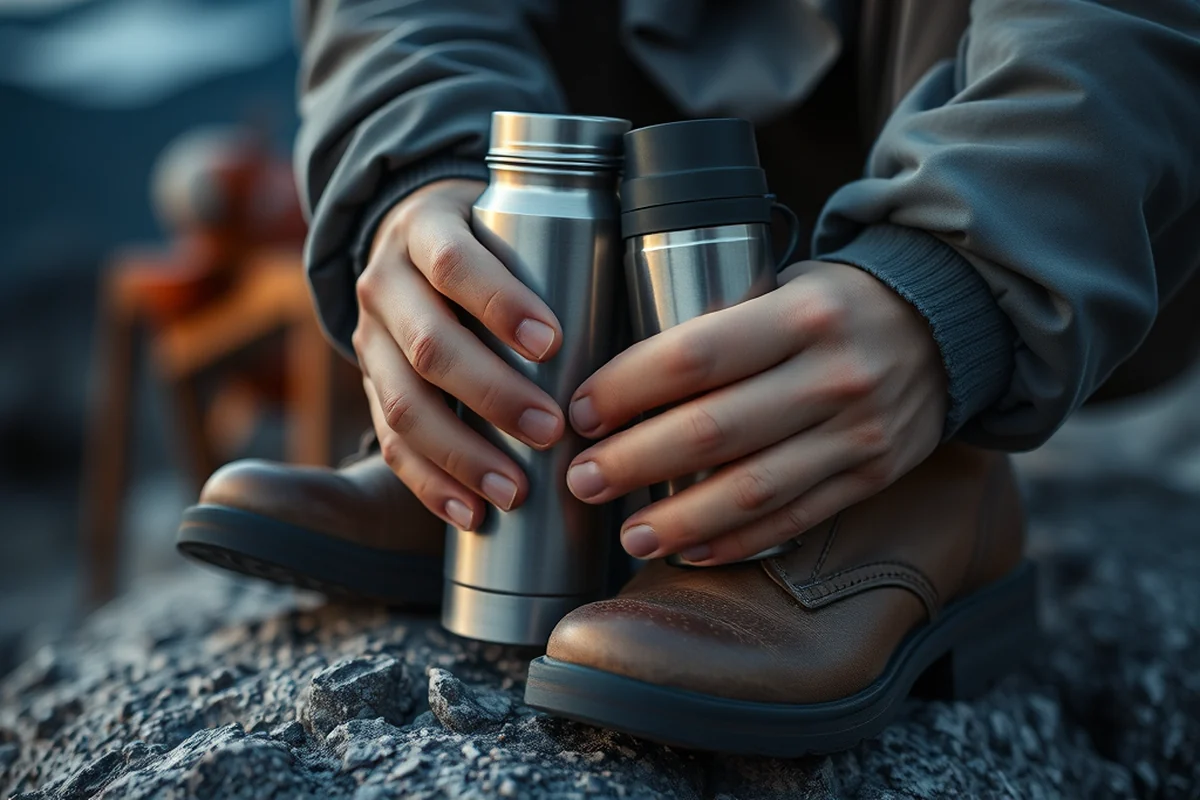
People in their 40s often have more financial stability and life experience, making solo travel a more feasible and fulfilling option. According to a 2022 survey by Booking.com, 58% of travelers in their 40s have traveled alone at least once. This age group often seeks balance between adventure and comfort, looking for destinations that offer both cultural experiences and a sense of security.[4]
Solo travel in your 40s can be an excellent opportunity to focus on personal development, career goals, or even a midlife reset. For example, many people choose to take solo trips to destinations like Japan or New Zealand, where the blend of modernity and natural beauty offers both inspiration and a chance to unwind.
It's important to maintain a flexible itinerary, stay connected with friends and family, and ensure that you're comfortable with the level of independence you're choosing. Planning ahead and researching the destination thoroughly can help you make the most of your solo journey.
Related: Solo Travel For Young Adults
Related: How To Solo Travel Essentials
Related: Is Travel For Teens
Related: Solo Travel For Teens Mistakes
Related: How To Solo Travel For People In Their 40S
Related: How To Solo Travel For Over 70S
How to Solo Travel Essentials
Whether you're a first-time solo traveler or an experienced explorer, having the right essentials can make a world of difference. Essentials include a reliable phone with international data plans, a copy of your passport, and a list of emergency contacts. A 2023 report by the World Tourism Organization found that 67% of solo travelers carry at least two copies of their important documents in different locations.
Packing smart is also crucial. Essentials like a portable charger, reusable water bottle, and a compact first-aid kit should be in your carry-on. It's also wise to know your destination's climate and cultural norms, so you can pack appropriately. For example, if you're traveling to Southeast Asia, lightweight clothing and a good insect repellent are must-haves.
Communication is key. Consider downloading travel apps that can help with translation, navigation, and safety. Staying in touch with friends or family through regular check-ins can also provide a sense of security and support during your trip.
“Whether you're a first-time solo traveler or an experienced explorer, having the right essentials can make a world of difference.”— Solo Travel for Musicians editors
Related: Top Solo Travel For
Solo Travel for Teens Mistakes

Solo travel for teens can be an amazing learning experience, but it also comes with risks if not approached carefully. One of the most common mistakes is underestimating the importance of preparation. According to a 2022 report by the International Youth Travel Association, 32% of teen solo travelers reported not having a clear itinerary before their trip.
Another mistake is failing to communicate with trusted adults or family members. Teens may feel invincible, but it's essential to keep in regular contact with someone back home. For example, a teen traveling to Europe for the first time might assume they can handle everything alone, but having a point of contact can help in case of emergencies.
Overconfidence can also lead to dangerous situations, such as choosing unsafe accommodations or engaging with strangers without caution. Teens should learn to trust their instincts and avoid situations that feel uncomfortable. Planning ahead, staying connected, and staying informed are essential steps to a successful and safe solo travel experience.
Related: Solo Travel For Teens Checklist
Expert Tips and Advanced Techniques
Solo travel for young adults can be enhanced by adopting expert techniques like learning basic phrases in the local language, staying in hostels with safety features. Using apps for real-time translation and navigation. These steps help build confidence and ensure a smoother experience in unfamiliar environments.
Advanced travelers often prioritize building a travel network through social media groups and forums, allowing them to meet fellow travelers and gain local insights. They also invest in travel insurance and know how to handle emergency situations, such as lost passports or medical emergencies, with ease.
To maximize the experience, solo travelers should embrace spontaneity while keeping a flexible itinerary. This balance allows for unexpected adventures and meaningful connections without losing direction or safety.
Tools, Materials and Resources
Essential tools for solo travelers include portable chargers, universal travel adapters, and durable travel backpacks with anti-theft features. These items ensure that you stay connected and protected while on the move.
Digital resources such as Google Maps, translation apps, and travel planning platforms like Hostelworld and Airbnb are invaluable. They help with navigation, communication, and finding affordable and safe accommodations around the world.
Investing in a comprehensive travel guidebook or using travel blogs can provide in-depth cultural insights and off-the-beaten-path recommendations. These resources help young travelers make informed decisions and enrich their experiences.
Troubleshooting and Common Questions
One of the most common concerns for solo travelers is language barriers, especially in countries where English is not widely spoken. To overcome this, learning a few basic phrases in the local language and using translation apps can be incredibly helpful. Also, many younger travelers find that gestures, maps, and images can often bridge communication gaps when words fail.
Getting lost is another frequent issue, but it can be mitigated with proper preparation. Using GPS-based navigation apps, carrying a physical map as a backup, and knowing how to ask for directions in the local language are effective strategies. Solo travelers should also be aware of their surroundings, avoid wandering into unfamiliar areas at night, and keep important contact information handy.
Safety is a top priority for solo travelers, and common questions revolve around how to stay secure while exploring alone. Researching the destination in advance, avoiding risky areas, keeping valuables safe, and sharing itineraries with trusted individuals are essential steps. Joining group tours or staying in well-reviewed accommodations can also provide added security and a sense of community.
Getting Started: Your First Steps
Before booking any trips, define your travel goals. Are you looking for adventure, relaxation, or cultural immersion? Knowing your purpose will help you choose the right destination and plan a more meaningful experience.
Research your destination thoroughly. Look into local customs, transportation options, and safety tips. Reading travel blogs, watching vlogs, and joining online forums can provide valuable insights and help you avoid common pitfalls.
Start gathering essential documents like your passport, visa if needed, and travel insurance. Book flights and accommodations in advance, and set up a budget to ensure a stress-free and enjoyable journey from the start.
🌱 Beginner
The simplest version — minimal supplies, quick win.
💰 Budget
Same result using what you already have.
⚡ Quick
The 10-minute version for busy days.
✨ Advanced
The upgraded version once the basics stick.
| The mistake | Why it happens | The fix |
|---|---|---|
| Not researching the destination thoroughly. | Not knowing the local customs, laws, or safety conditions can lead to uncomfortable or dangerous situations. | Research your destination ahead of time, read travel advisories, and learn basic phrases in the local language to help navigate and avoid misunderstandings. |
| Ignoring personal safety and privacy. | Solo travelers are sometimes targeted by scammers or unwanted attention if they're not careful with their behavior and belongings. | Stay aware of your surroundings, avoid walking alone at night, and keep valuables secure. Trust your instincts and avoid sharing too much personal information with strangers. |
| Packing too much or not enough. | Overpacking can be a burden, while underpacking can leave you unprepared for unexpected weather or situations. | Pack light with versatile clothing and essential items. Bring a small daypack for exploring and a carry-on for easy movement. Always check the weather forecast for your destination before you leave. |
how to solo travel for young adults
Common Questions
Is solo travel for young adults safe?
How can I stay connected while traveling alone?
What are the best destinations for solo travel for young adults?
How much does solo travel for young adults typically cost?
Cite this guide
Solo Travel for Musicians (2026). How To Solo Travel For Young Adults. https://drumroute.com/how-to-solo-travel-for-young-adults/
Feel free to cite or share this guide.
References
- (PDF) Solo Travel Research and Its Gender Perspective: A Critical ... (academia.edu)
- WolfTreks: Frequently Asked Travel Questions | NC State Alumni (alumni.ncsu.edu)
- A Solo Traveler's Guide to Europe: Lessons from Study Abroad (blog.uceap.universityofcalifornia.edu)
- Global Immersion: Nicholas Thomssen Germany Blog (business.unl.edu)