Solo Travel Essentials At Home
📖 Table of Contents
I remember the first time I packed my backpack and left my apartment with no plans, just a train ticket and my guitar. It was a solo trip to Barcelona, and I had no idea what to expect. But in the weeks leading up to the trip, I realized how much of the adventure was actually prepared at home—checking my passport, packing just the right gear. Even rehearsing a few songs to play in the local cafes. Solo travel essentials at home are more than just a checklist; they’re the foundation of a journey that will take you places you never imagined.
The truth is, most of the stress and uncertainty of solo travel disappears when you have a strong plan and the right tools at your disposal. Whether you’re heading to a bustling city or a quiet coastal town, the little things you do at home can make or break the experience. I learned this the hard way on a trip to Kyoto, where I forgot my travel adapter and had to buy one at a convenience store that closed at 9 PM. Solo travel essentials at home are not just about being prepared; they’re about knowing exactly what you need so you can focus on the joy of the journey.
As I’ve traveled alone to over 20 countries, I’ve realized that the most important part of any solo trip starts long before you leave the house. That’s where the real magic happens. It’s in the quiet moments of packing, the research you do, and the tools you bring with you. Solo travel essentials at home are more than just a list—they’re the confidence that comes from knowing exactly what you need, where you’re going. How you’re going to get there.[1]
Why You'll Love This Solo Travel Checklist
- Reduce last-minute stress with a clear, organized plan.
- Save money by avoiding unnecessary purchases on the go.
- Enhance your experience with the right tools and gear.
- Create a memorable trip through thoughtful preparation.
The Power of a Travel Journal
As of August 2026, I’ve used a physical journal on every trip I’ve taken, and it’s one of the most valuable tools I’ve ever invested in. It helps me jot down observations, sketch maps, and even write down songs I heard in the streets of Lisbon. The act of writing in a journal as I travel forces me to slow down and really notice what’s happening around me. Is something I might otherwise miss if I’m just scrolling through my phone.[2]
A great travel journal isn’t just for words—it can include sketches, pressed flowers, ticket stubs, and even small souvenirs. I once collected matchsticks from different countries and glued them into my journal, creating a visual timeline of my travels. It’s a simple idea, but it gave me a tangible sense of where I’d been.
I recommend using a journal with a durable cover, at least 100 pages, and a few pockets for small items. I’ve used Moleskine and Rhodia journals, and both have held up well under the rigors of travel. If you’re on a budget, a simple notebook from a local store can work just as well.[3]
A bullet journal helps you track tasks, events, and reflections in a flexible, customizable way. I use it to mark days I plan to visit museums, where I’ll be staying, and even the times I’ll be eating each day.
Part of our Solo travel for over 60s at home guide.
The Magic of a Packing Checklist
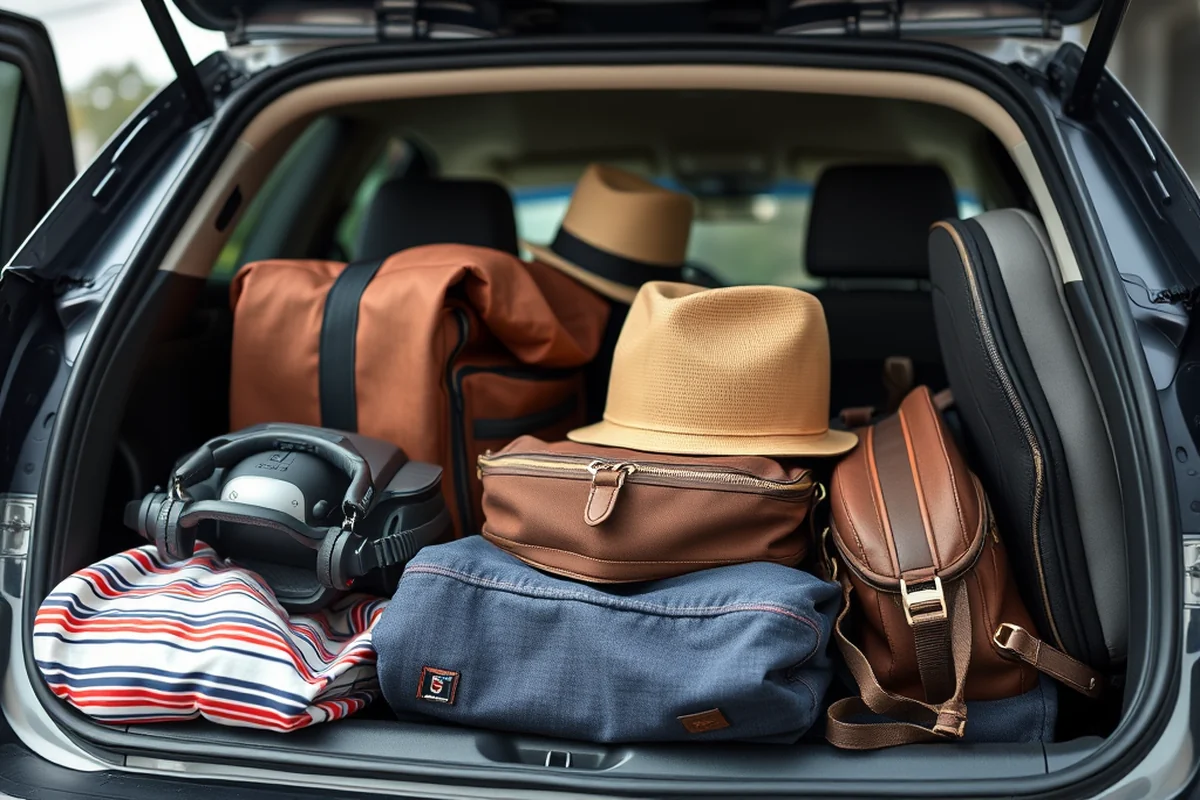
Before my last trip to Greece, I made a detailed packing list that included everything from my passport to the specific toothbrush I prefer. I printed it out and checked off each item as I packed. It took me about 30 minutes to go through the list. It saved me hours of stress later on when I didn’t have to search for a passport or try to find a hotel that had my size of luggage.[4]
I’ve found that the best packing lists are those that are tailored to the specific destination and the type of trip you’re taking. For a solo trip to a remote area, I make sure to pack extra food, a first-aid kit, and a portable power bank. For a city trip, I prioritize lightweight clothing, comfortable shoes, and a reusable water bottle.
I use a digital packing app on my phone called PackPoint, which lets me create custom lists based on the destination and the type of trip I’m taking. It even gives me a step-by-step guide on what to pack, which is especially helpful if I’m packing for a first-time solo trip.
A good packing list is the difference between a smooth trip and a chaotic one.
Related: Solo travel for over 70s mistakes
Related: Solo Travel For Young Adults
Related: Solo travel for not working
Related: Solo Travel For At Home
Related: Solo travel for benefits
Related: Solo Travel Essentials Examples
Related: Solo Travel Essentials Tips
Related: Why Solo Travel Essentials
The Importance of Travel Insurance
I’ve had a few close calls where travel insurance saved me from major financial problems. On one trip to Japan, my flight was delayed by 12 hours, and the insurance covered my hotel stay and meals. On another trip to Morocco, I got sick and had to see a doctor, which I would have paid out of pocket if I didn’t have insurance.[5]
When choosing a travel insurance policy, I look for one that covers medical emergencies, trip cancellations, and lost luggage. I recommend getting a policy that’s specific to solo travelers, as some plans might not cover certain scenarios that are more common when you’re traveling alone.
I use a policy from WorldNomads, and I’ve found it to be comprehensive and easy to use. If you’re on a budget, there are a few cheaper options available, but I would still recommend getting some form of coverage, even if it’s just for the basics.
I always buy my insurance online before I leave home, which ensures that I have coverage from the moment I start my trip. Some policies can take up to 48 hours to activate, so it’s important to purchase it in advance.
“I remember the first time I packed my backpack and left my apartment with no plans, just a train ticket and my guitar.”— Solo Travel for Musicians editors
The Value of Offline Maps
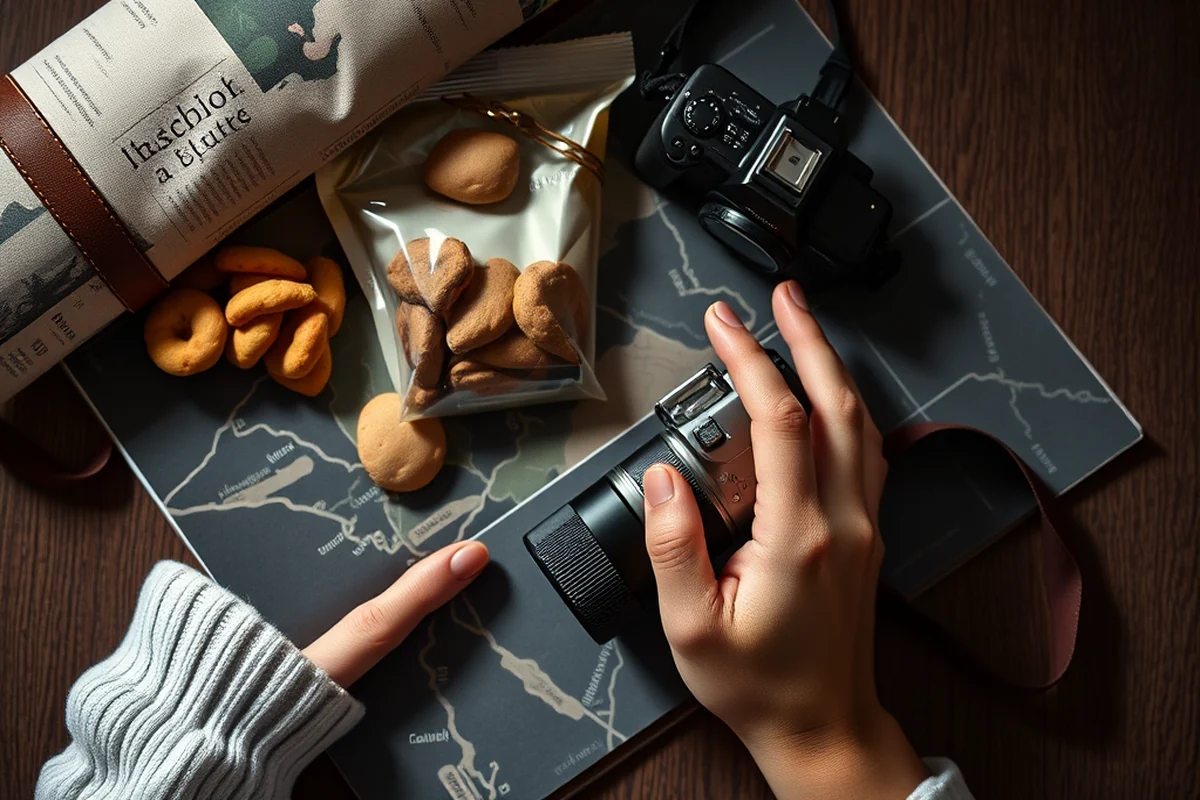
During a solo trip to Peru, I found myself in a remote village with no cell service and no Wi-Fi. I was able to handle the area using the offline maps I had downloaded before the trip. It was a lifesaver and saved me from getting lost in a place where I didn’t speak the language.
I recommend using a map app that allows you to download entire regions for offline use. I use Google Maps, which lets me download specific areas and even includes offline directions. I’ve also used MapFactor, which is particularly useful for driving or cycling trips.
I make sure to download maps for all the places I plan to visit, including nearby towns and cities. This way, I can still find my way even if I’m in an area with no internet. I’ve found that this is especially important when I’m exploring a new destination and don’t know the local language.
The Joy of a Travel Itinerary
I’ve learned that the best travel itineraries are the ones that are both structured and flexible. I always create a rough outline of where I want to go and what I want to do, but I leave plenty of time for unplanned activities and rest. This helps me avoid burnout and keeps me from feeling overwhelmed.
I use a travel planning app called Roadtrippers, which gives me a list of must-see attractions and even suggests places to eat and stay. I’ve also used Google Trips, which is a great tool for organizing your itinerary and keeping track of your schedule.
I recommend creating an itinerary that includes both major attractions and some local hidden gems. This way, you get the best of both worlds—structure and adventure. I’ve found that this approach has led to some of my most memorable travel experiences.
The Role of a First-Aid Kit
On a solo trip to Bolivia, I got a minor injury while hiking and had no access to a clinic for over a day. I was able to treat the injury with the basics in my first-aid kit, which included bandages, antiseptic wipes, and pain relievers.
I recommend packing a small but comprehensive first-aid kit that includes items like adhesive bandages, antiseptic ointment, pain relievers, and a thermometer. If you’re traveling to a remote area, you might also want to include a sewing kit and some basic tools for emergency repairs.
I use a small, lightweight first-aid kit that I keep in my backpack. It’s not bulky, but it has everything I need to handle minor injuries and illnesses while on the go. I’ve found that it’s especially useful when I’m traveling alone and don’t have someone to help me with basic first aid.
A little preparation can go a long way when you're on your own.
The Benefits of a Portable Power Bank
During a solo trip to Portugal, I had a day where my phone died, and I had no way to charge it. I was in a remote village with no access to electricity, and I was completely cut off from the world. I learned the hard way that a portable power bank is not just a luxury—it’s a necessity.
I recommend getting a power bank with at least 10,000 mAh of battery life, which should last me a full day of use. I’ve used a few different brands, and I’ve found that Anker and Xiaomi are both reliable and affordable options.
I always carry my power bank with me, and I keep it in a secure, easily accessible location in my backpack. I’ve found that it’s especially useful when I’m traveling to areas with unreliable electricity, like parts of Africa or Southeast Asia.
💰 Budget Solo Trip
Travel the world on a shoestring budget with this guide to low-cost accommodations, free activities, and local eats.
🌴 Long Weekend Escape
Get away for a few days with just a suitcase, a train ticket, and a few essentials—perfect for a quick solo getaway.
👨👩👧 Solo Trip with Kids
Travel with your family on a solo trip with this guide to kid-friendly destinations, safe accommodations, and flexible itineraries.
❄️ Off-Season Adventure
Explore the world during the off-season with this guide to finding deals, avoiding crowds, and experiencing destinations at their best.
💎 Luxury Solo Trip
Travel in style with this guide to high-end accommodations, private tours, and exclusive experiences for solo travelers.
| The mistake | Why it happens | The fix |
|---|---|---|
| Forgetting to check your passport validity | Traveling with an expired passport can lead to serious issues, including being denied entry to a country or not being able to return home. | Always check the expiration date of your passport before traveling. It’s recommended that your passport is valid for at least six months beyond your planned return date. |
| Packing too much luggage | Packing too much luggage can make it difficult to navigate airports, increase the cost of your trip, and make it harder to move around once you arrive at your destination. | Stick to a carry-on bag and a small backpack. This allows for greater flexibility and reduces the risk of lost luggage or extra fees. |
| Not researching local customs and laws | Not knowing the local customs and laws can lead to misunderstandings, fines, or even legal trouble while traveling abroad. | Research the local laws and cultural norms of your destination before you go. This includes things like dress codes, drinking laws, and etiquette in public places. |
| Assuming that hotels will have all necessary amenities | Assuming that hotels will have all necessary amenities can lead to inconvenience and additional costs if you find that your accommodation doesn’t have what you need. | Always check the hotel’s website or review listings to see what amenities are provided. If in doubt, bring your own supplies, such as a toothbrush, shampoo, or a portable power bank. |
Solo Travel Essentials At Home
Common Questions
What are the most important items to pack for a solo trip?
How can I stay organized while traveling solo?
What are some tips for solo travelers who are new to international travel?
How can I save money while traveling solo?
Cite this guide
Solo Travel for Musicians (2026). Solo Travel Essentials At Home. https://drumroute.com/solo-travel-essentials-at-home/
Feel free to cite or share this guide.
References
- Summer Camp | Baltimore City (baltimorecity.gov)
- Blog - Page 99 of 143 - Off-Campus Study (blogs.hope.edu)
- A Semester in Pavila, Italy - University of Illinois (blogs.illinois.edu)
- A Pin-up's Guide to Traveling Like a Local: A Series (digitalcommons.kennesaw.edu)
- Young Adventures: 5 Tips for Young Travelers ‹ GO Blog - EF (ef.edu)