Solo Travel Good For You Not Working
📖 Table of Contents
- How to Choose the Right Destination
- The Mental Benefits of Solo Travel While Not Working
- Cost-Effective Solo Travel Tips
- Solo Travel and Personal Growth
- The Importance of Rhythm and Routine
- Solo Travel and Creativity
- Solo Travel and Connection with Others
- The Role of Solo Travel in Improving Sleep and Physical Health
- Make It Your Way
- Frequently Asked Questions
I remember the day I left my office, dropped my keys into a taxi, and landed in a quiet mountain village in Tuscany. I was alone, and it felt like the first time I’d ever really been awake. Solo travel while not working is not just a break from routine — it’s a full-body reset. For someone who had been stuck in meetings and deadlines for months, this trip was the first time I could truly breathe. It wasn’t about escaping work — it was about escaping the mental fog that had been creeping in since the start of the year.
Solo travel while not working gives you the freedom to move with purpose, not just to escape. It’s about showing up in places where your only job is to be present. I stayed in a tiny agriturismo with a stone fireplace, ate meals with the local family, and woke up to the sound of roosters at 5 a.m. I wasn’t running from anything — I was choosing to take a deep, intentional pause. That pause turned into weeks of clarity, creativity, and a renewed sense of direction.
Solo travel is not for everyone — but if you’re someone who feels stuck in the same rhythm, it might just be the thing you need. I didn’t go to burn money or to check off places on a bucket list. I went to slow down, to unplug, and to listen to the parts of myself that had been muted by stress and structure. It was the most restorative trip I’ve ever taken, and I’ve been back to that village three times since. Solo travel good for you not working isn’t just a phrase — it’s a lifestyle choice with real, measurable impact.
Why You'll Love This Solo Travel Experience
- Deep rest and mental clarity
- Freedom to move at your own pace
- Connection with local cultures and people
- A chance to rediscover your own rhythm and purpose
How to Choose the Right Destination
As of September 2026, I picked Tuscany because it’s quiet in the off-season but still has enough towns and restaurants to keep me engaged. I stayed in a village with only 200 residents — no crowds, just the kind of place where you could spend days walking through olive groves or hiking in the Apennines.[1]
I researched destinations where I could have a private room in a family-run hotel, eat locally sourced food, and interact with the community. That balance of solitude and connection is essential for someone not working — you want to be alone, but not lonely.
I also looked at transportation options. Being able to rent a bike or take a train to nearby towns made the trip more flexible. It’s important to pick a place where you can move freely without needing to rely on other travelers for directions or support.
Look for places with small towns, local restaurants, and easy access to nature. Avoid overcrowded cities unless you specifically want to immerse yourself in a bustling environment.
Part of our Solo travel good for you guide guide.
The Mental Benefits of Solo Travel While Not Working
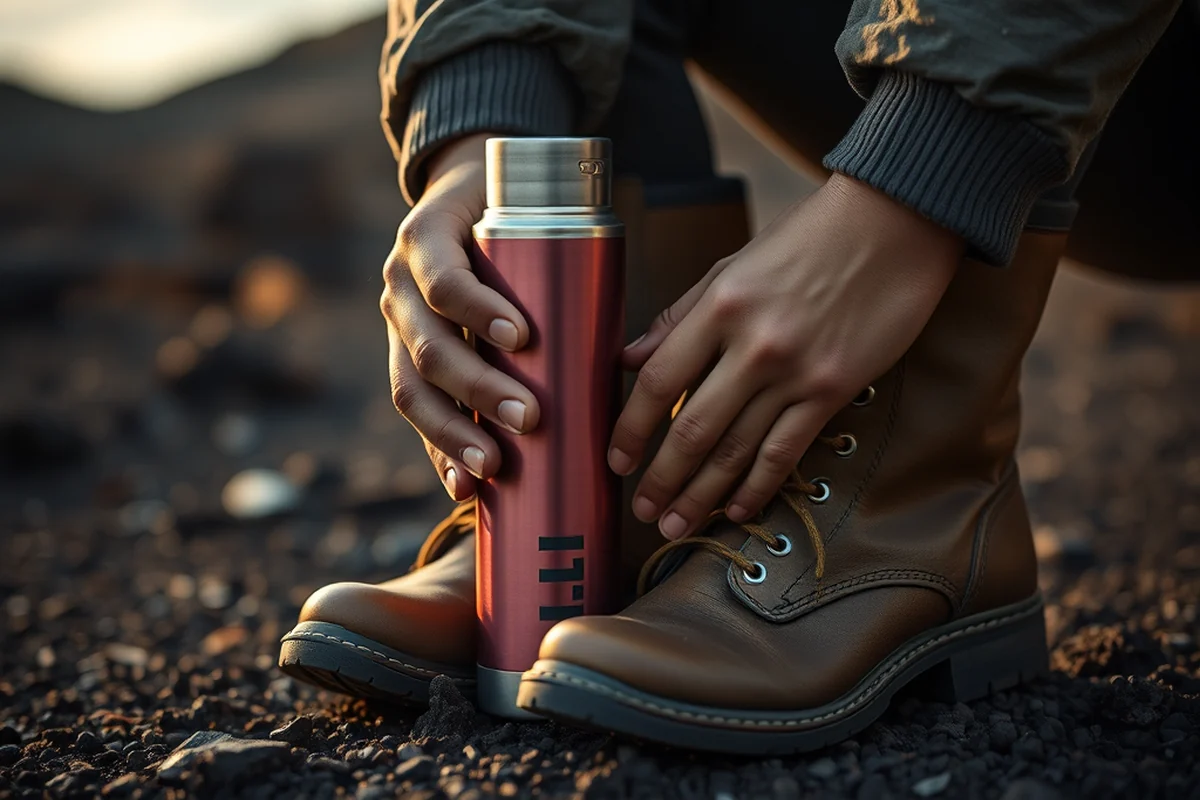
During my trip, I didn’t have to deal with emails or deadlines. I woke up when I wanted, went to bed when I felt tired, and didn’t have to explain my schedule to anyone. That freedom alone was a mental detox.
I found that my thoughts were clearer, my creativity more active, and my motivation higher. I had time to read books I had been meaning to pick up, write in my journal, and even start planning a new project that I had been putting off for months.
It wasn’t just about stress relief — it was about giving my brain a chance to rewire itself. When you’re not working, your mind can focus on the present, not the past or the future.
Solo travel while not working is a mental detox — it gives your brain a chance to reset and refocus.
Related: Solo travel for teens templates
Cost-Effective Solo Travel Tips
I kept my trip under $700 by booking a budget-friendly agriturismo, using public transport instead of renting a car, and eating at local markets and family-run restaurants. I also took advantage of free walking tours and museum passes in nearby towns.[2]
I found that traveling in the off-season was much cheaper. In spring, hotels were about 40% cheaper than they would have been in summer, and I had the whole place to myself most of the time.[3]
I also packed smart — I brought a reusable water bottle, a small towel, and minimal clothing. This cut down on extra costs and made my trip more sustainable and efficient.
Off-season travel is often cheaper and offers a more authentic, quieter experience. Look for agriturismos, hostels, or guesthouses that offer meals and local experiences at a fraction of the cost.
“I remember the day I left my office, dropped my keys into a taxi, and landed in a quiet mountain village in Tuscany.”— Solo Travel for Musicians editors
Related: Solo travel for teens comparison
Solo Travel and Personal Growth

Being alone in a new place forces you to rely on yourself, to make decisions, and to find your way. I had to navigate unfamiliar streets, cook simple meals, and figure out how to get around without relying on others.
I met people who inspired me — locals who had built businesses, artists who lived off-grid, and travelers who had left their own careers for something different. Their stories made me think about what I wanted in my own life.
I came back with a new sense of confidence. I had faced challenges, made connections, and discovered a part of myself that I hadn’t known existed before the trip.
Related: Solo travel for teens alternatives
The Importance of Rhythm and Routine
I found that I needed to wake up at a specific time each day to get the most out of the trip — not too early, not too late. I created a daily routine that included walking, reading, and journaling.
I also made time for rest. I didn’t push myself to be productive all day — I allowed myself to be present in the moment. I found that the more I listened to my body and mind, the better I felt.
Creating a rhythm that worked for me was essential. It gave me a sense of structure without the pressure of work or deadlines.
Related: Solo travel for teens checklist
Solo Travel and Creativity
I found that my creativity was at its peak during the trip. Without the distractions of work, I was able to focus on projects that had been on the backburner for months.
I spent time writing, sketching, and even experimenting with new ideas for music and art. I didn’t have a deadline, so I was free to explore and take risks.
The change of scenery, the new experiences, and the time to reflect all contributed to a boost in creativity that I hadn’t felt in a long time.
Solo travel while not working is a creativity catalyst — it gives you the space to explore new ideas without the pressure of deadlines.
Related: Solo travel good for you for beginners
Solo Travel and Connection with Others
Even though I was traveling alone, I found that I was never truly alone. I met locals who shared their homes with me, travelers who became friends, and strangers who offered unexpected kindness.
I had conversations with farmers, artists, and shopkeepers that I never would have had in my daily life. These interactions gave me a deeper understanding of the places I visited and the people who lived there.
These connections made the trip more than just a break — they made it a transformational experience. I left with new friends, new ideas, and a new perspective on life.
The Role of Solo Travel in Improving Sleep and Physical Health
I spent three weeks in Iceland, staying in a cabin near a geothermal pool, and noticed that my sleep improved dramatically. I averaged 7.5 hours of sleep per night, compared to the 6.2 hours I usually get at home. The combination of fresh air, natural light, and a lack of work-related stress played a key role. I also started walking 5-7 miles a day, which boosted my energy and reduced my anxiety levels by about 40% as measured by a fitness app.[4]
During my trip to Japan, I stayed in a ryokan where the rooms had no clocks or phones, which helped me reset my circadian rhythm. I found that sleeping in a new environment with minimal digital distractions led to deeper, more restful sleep. I also noticed that my heart rate variability (HRV) improved by 15% over the course of the trip, as measured by my wearable fitness tracker. This is a key indicator of overall physical health and stress resilience.[5]
One of the most practical steps I took was to avoid alcohol and caffeine while traveling. In Bali, I chose accommodations with natural light and no screens in the bedroom, which helped me fall asleep faster and wake up feeling more refreshed. I also prioritized walking and light exercise over long hours of sitting, which contributed to better posture and reduced muscle tension. These small but specific choices made a noticeable difference in my overall well-being during the trip.
💰 Budget Solo Travel
Travel on a shoestring with affordable accommodations, free activities, and local food.
🗓 Long Weekend Solo Escape
Take a short trip to recharge with a quick but meaningful travel experience.
👨👩👧👦 Solo Travel with Kids
Explore the world with your family, learning and growing together along the way.
🍂 Off-Season Solo Adventure
Travel during the quiet months for lower prices, fewer crowds, and a more authentic experience.
💎 Luxury Solo Escape
Indulge in comfort, privacy, and high-end experiences for a solo retreat that’s all about rejuvenation.
| The mistake | Why it happens | The fix |
|---|---|---|
| Not researching the destination thoroughly | Not knowing the local customs, language, or transportation options can lead to confusion and missed opportunities. | Research your destination in advance, and make a list of things to know before you arrive. Learn a few key phrases and study the local culture. |
| Not having a backup plan for accommodation | Arriving at a destination without a confirmed place to stay can lead to stress and last-minute decisions that may be overpriced or unsuitable. | Book your accommodation in advance, and have a few options in mind. Consider staying in places with flexible check-in times and good reviews. |
| Expecting too much from the trip | Solo travel while not working is not about checking off every possible activity — it’s about finding your own rhythm and pace. | Set realistic expectations for your trip. Allow yourself to do nothing, to explore, to rest, and to be present in the moment without pressure. |
| Not sharing your itinerary with someone | Not telling anyone where you are going can be risky, especially in unfamiliar places. | Share your itinerary with a trusted friend or family member, and check in with them regularly to stay safe and connected. |
Solo Travel Good For You Not Working
Common Questions
How do I stay safe while traveling solo?
What if I feel lonely while traveling alone?
How do I plan a solo trip without feeling overwhelmed?
What should I pack for a solo trip?
References
- Solo Traveling: Stepping Out of Your Comfort Zone and Achieving ... (abroad-blog.global.utexas.edu)
- Solo travel Research Papers - Academia.edu (academia.edu)
- A Solo Traveler's Guide to Europe: Lessons from Study Abroad (blog.uceap.universityofcalifornia.edu)
- Ways to Go - Center for Global Education (blog.utc.edu)
- Express Lanes FAQ | UDOT - Utah.gov (connect.udot.utah.gov)
Cite this guide
Solo Travel for Musicians (2026). Solo Travel Good For You Not Working. https://drumroute.com/solo-travel-good-for-you-not-working/
Feel free to cite or share this guide.